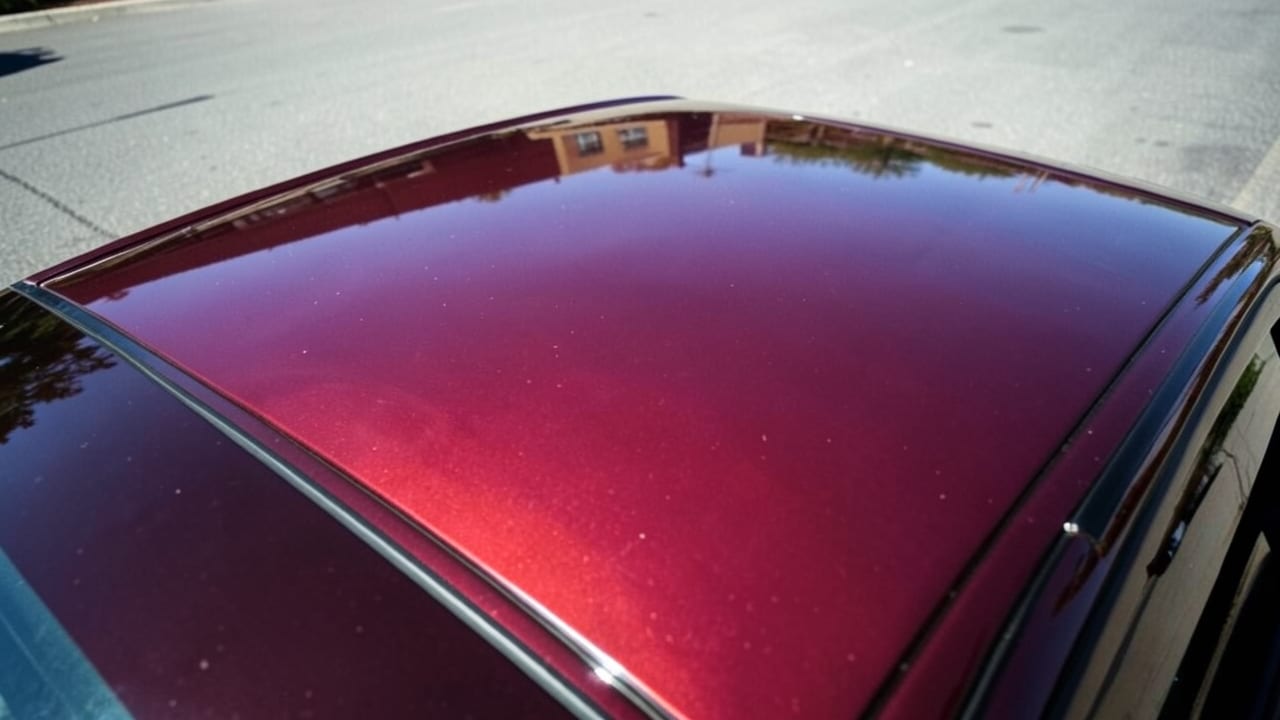
Mid-Summer UV Protection Top-Up
Ceramic coating reapplication to restore UV protection and gloss on vehicle paint.
Baton Rouge’s intense mid-summer sun accelerates the wear of ceramic coatings, causing UV damage and a loss of gloss over time. A UV Protection Top-Up refreshes the protective layer, restoring shine, hydrophobic properties, and resistance to environmental contaminants like rail dust and industrial fallout.
This routine service extends the life of your coating and keeps your vehicle looking showroom-new despite the region’s harsh climate and frequent humidity swings.
We also handle Paint Protection Film (PPF) Installation and Ceramic Window Tint for Baton Rouge vehicles.
When your coating needs a refresh
Ceramic coatings don’t fail overnight—they degrade gradually. Watch for signs like water beading less tightly, a duller reflection in direct light, or grime sticking to panels instead of rinsing off.
These cues mean the coating’s slick, hydrophobic layer is thinning, and a top-up can restore its performance before deeper damage sets in.
Baton Rouge’s mix of high UV exposure, humidity, and airborne contaminants (like pollen and industrial fallout) speeds up this process. Even with careful maintenance, coatings lose effectiveness over 6–12 months, depending on how often you wash your vehicle and the quality of products used.
Signs Your Coating Needs a Top-Up
- Water no longer beads into tight droplets but sheets or spreads across panels.
- Grime, bug splatter, or tree sap now requires scrubbing instead of rinsing off with water.
- The paint feels less slick to the touch—more like bare paint than a freshly coated surface.
- Reflections in the paint appear slightly duller or less crisp under direct sunlight.
What affects pricing and timing
The cost of a UV Protection Top-Up depends on the coating tier you’re refreshing (SiO2-based coatings last longer than basic polymers but cost more upfront) and whether prep work—like decontamination or clay bar treatment—is needed to remove bonded contaminants before reapplication. Skipping these steps shortens the coating’s lifespan.
Timing matters too. Baton Rouge’s summer heat (consistently 90°F+ with high humidity) accelerates degradation, so a top-up every 6–9 months keeps the coating performing at its best. Winter driving—with road salt and de-icing chemicals—also demands prompt rinsing to avoid chemical etching that weakens the protective layer.
| Factor | Impact on Pricing/Timing | Baton Rouge-Specific Note |
|---|---|---|
| Coating Tier | Higher-tier coatings (graphene/SiO2) cost more upfront but last longer between top-ups. | SiO2 coatings hold up better in high-UV areas like BR but require more frequent maintenance. |
| Prep Work Needed | Decontamination or clay bar treatment adds to the price if contaminants are embedded. | Industrial fallout in BR often requires extra prep to avoid trapping grit under the new layer. |
| Vehicle Size | Larger vehicles (SUVs, trucks) take longer to apply and may need more product. | No price difference for local service areas—coverage includes all listed towns. |
| Seasonal Demand | Top-ups are more frequent in summer (UV damage) and after winter (salt exposure). | Scheduling in June–August ensures protection before peak sun exposure. |
What a top-up *doesn’t* do
A ceramic coating top-up enhances gloss, UV resistance, and hydrophobic properties—but it’s not armor. It won’t stop rock chips, deep scratches, or dents. Think of it as a refreshed layer of sunscreen for your car’s paint, not a replacement for physical protection like ceramic guards or paint protection film.
Misconceptions about coatings often lead to overselling. For example, some shops claim coatings ‘repair’ swirl marks, but applying a top-up over unaddressed imperfections locks them in permanently. Always confirm whether your quote includes full prep (wash, decontamination, clay bar, iron remover) or just the coating application.
Using high-alkaline or wax-stripping car soaps will degrade the coating’s surface chemistry faster. Automatic tunnel washes with spinning brushes introduce fine scratches from grit. Letting water air-dry deposits mineral spots on the glossy finish. Always use pH-neutral soap, hand-wash or touchless methods, and dry with a clean microfiber towel.
How a UV protection top-up works
A top-up refreshes your ceramic coating’s protective layer in 4 key steps, tailored to Baton Rouge’s climate and contaminants.
- 1Decontamination
The vehicle is washed with a pH-neutral soap using the two-bucket method to remove loose dirt, followed by a clay bar or chemical decontamination to lift embedded contaminants like rail dust or industrial fallout. This step is critical in Baton Rouge, where airborne particles bond to the coating over time.
- 2Surface Prep
An iron remover is applied to dissolve metal particles left by brake dust or pollution, which can etch the coating if not removed. The surface is then wiped down with a high-quality microfiber towel to ensure a clean, smooth base for the top-up.
- 3Spray Sealant Application
A lightweight spray sealant or coating booster is applied to restore the hydrophobic layer’s slickness. Unlike a full coating, this step doesn’t require a long cure time and can be done as part of a regular wash routine to maintain protection between top-ups.
- 4Curing and Protection
The vehicle is allowed to cure for 24–48 hours in shade to prevent UV interference. After curing, a final rinse with de-ionized water removes any residue, and the coating is ready to repel water, resist UV damage, and maintain a high-gloss finish for another 6–12 months.
Frequently asked questions
How often should I schedule a UV Protection Top-Up in Baton Rouge?
Every 6–9 months is ideal, especially during summer when UV exposure is highest. If you notice water beading poorly or grime sticking to panels, it’s time for a refresh. Winter driving (with road salt) also shortens the interval—rinse salt off promptly to avoid chemical damage.
Can I use any car soap to wash my coated vehicle?
No. Only pH-neutral, coated-car-specific soaps should be used. Traditional soaps (especially high-alkaline or wax-stripping types) break down the ceramic layer over time, reducing water beading and gloss. The two-bucket method is also essential to avoid redepositing grit.
Will a top-up fix swirl marks or light scratches?
No. A top-up enhances the existing coating but won’t address deeper imperfections. If your paint has swirls or scratches, these should be corrected before applying the top-up—otherwise, they’ll be locked in permanently.
Why does my coating look dull even though it’s less than a year old?
Dullness often signals contamination buildup (like bonded rail dust) or a thinning hydrophobic layer from improper washing (e.g., high-alkaline soaps or air-drying). A decontamination pass or top-up can restore shine, but skipping regular maintenance accelerates wear.
Where Baton Rouge sits, and what the Census lists nearby
Baton Rouge sits in Louisiana, and the closest places listed in the U.S. Census Gazetteer are Westminster (3.4 miles southeast), Merrydale (4.4 miles north), Port Allen (4.4 miles west), Inniswold (4.7 miles southeast). Within 25 miles of Baton Rouge the same source lists 38 distinct incorporated places and census-designated places.
Those figures matter for mid-summer uv protection top-up because they are straight-line distances between Census coordinate points: road mileage between Baton Rouge and Westminster runs longer than the 3.4 miles shown, which is why quotes for the same job differ between towns that look close together on a map.
Source: U.S. Census Bureau Gazetteer.
See Inniswold, LA for more, or browse everything on offer in Baton Rouge in one place for our complete lineup.
Ready to get started?
Talk to a local ceramic coating pro in Baton Rouge — get a written quote.
Other Ceramic Coating Services in Baton Rouge
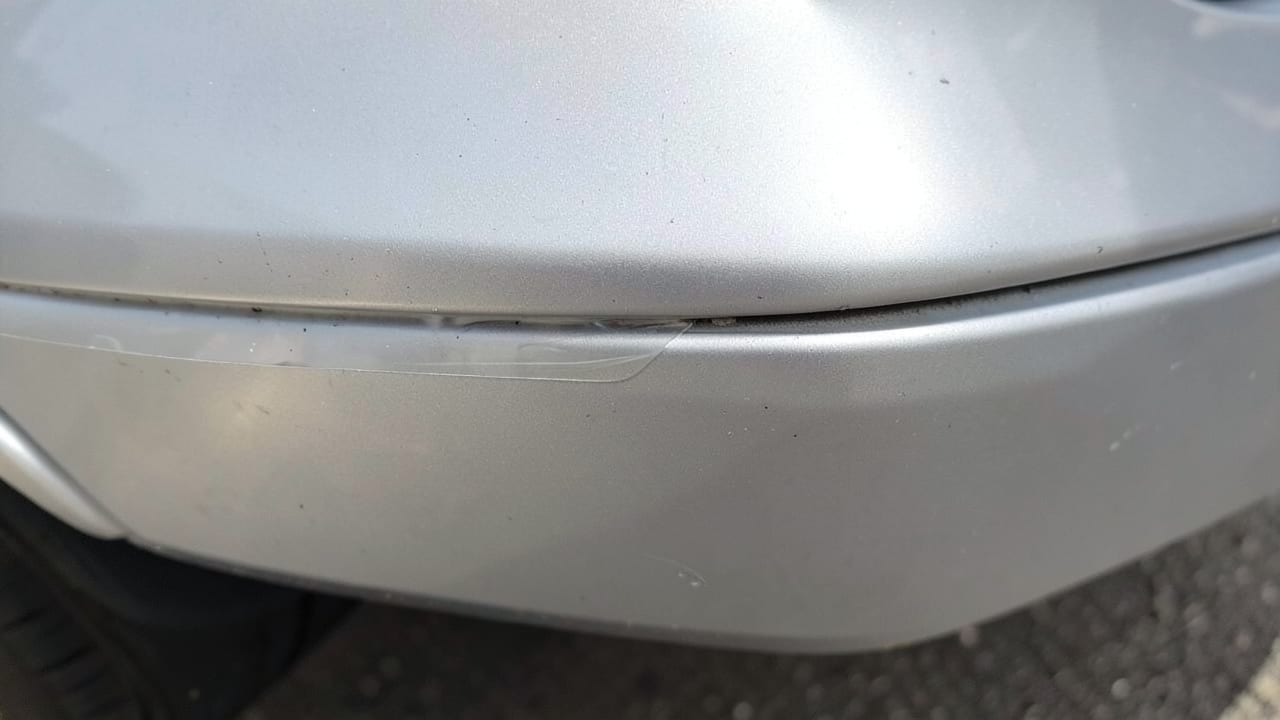
Paint Protection Film (PPF) Installation in Baton Rouge, LA
Self-healing clear PPF installation in Baton Rouge, LA for high-impact panels or a full-body wrap — real physical protection against rock chips and road debris.
Learn More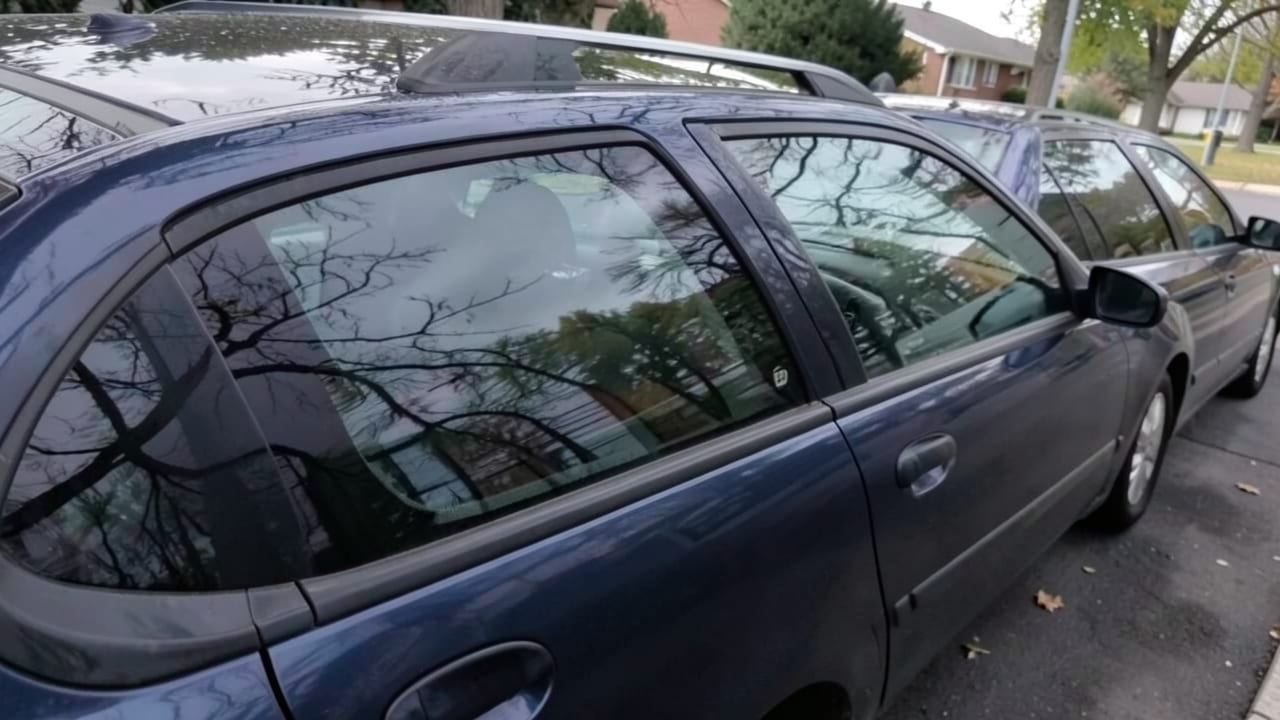
Ceramic Window Tint in Baton Rouge, LA
Nano-ceramic window tint in Baton Rouge, LA — rejects heat and blocks 99% of UV without the signal interference or fading of cheaper films.
Learn More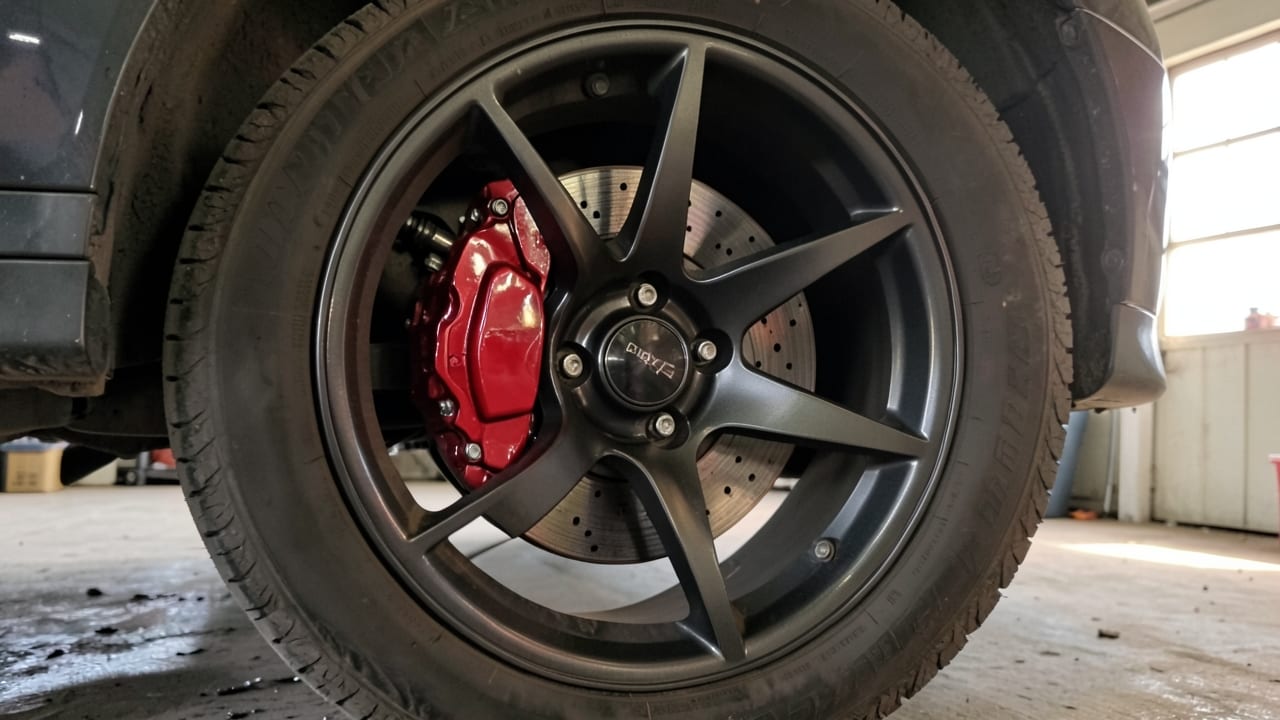
Wheel & Brake Caliper Ceramic Coating in Baton Rouge, LA
Dedicated ceramic coating for wheels and brake calipers in Baton Rouge, LA — stops brake dust and corrosive grime from bonding to the finish.
Learn More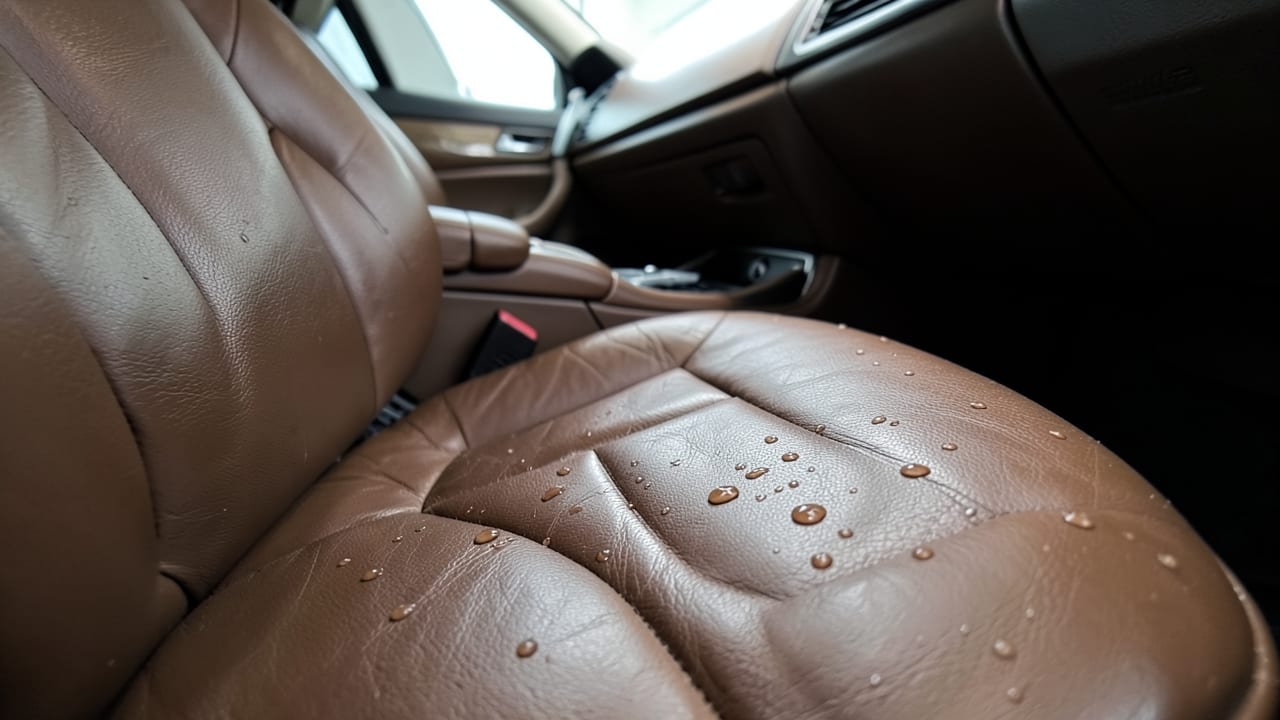
Interior Ceramic Protection in Baton Rouge, LA
Interior fabric, leather, and trim ceramic protection in Baton Rouge, LA — guards against spills, UV fading, and daily wear.
Learn More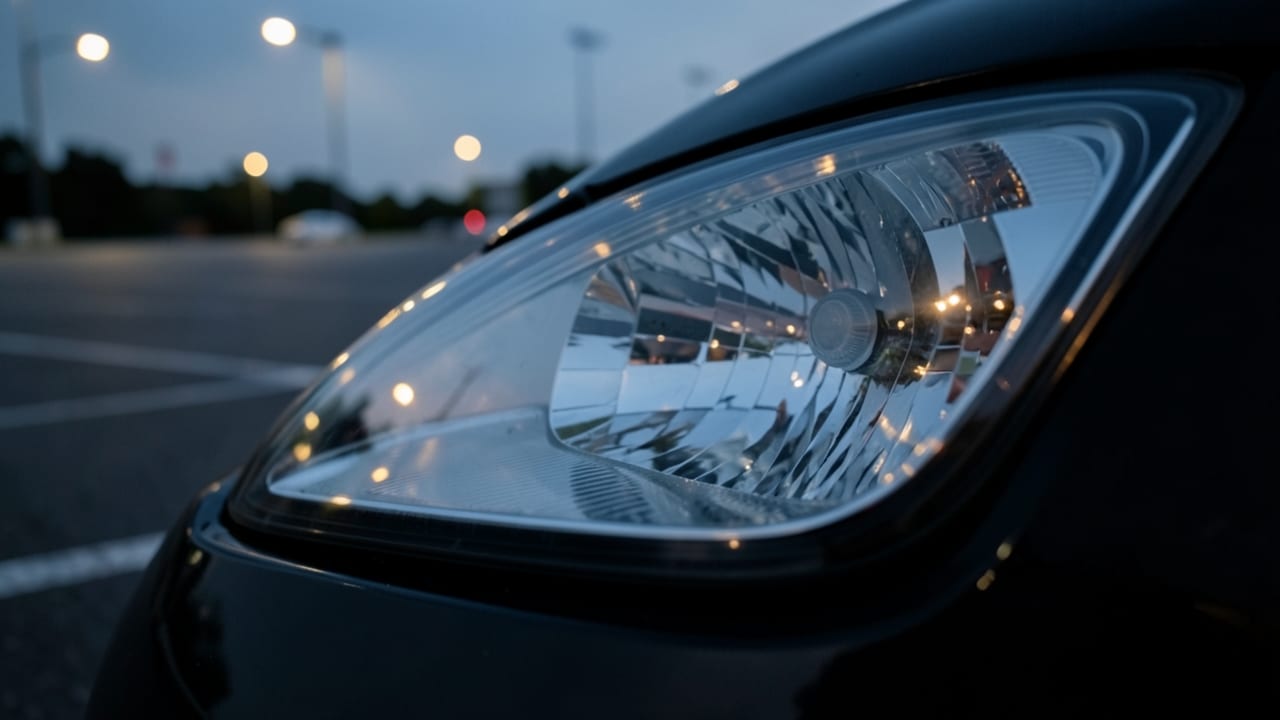
Headlight Restoration & Coating in Baton Rouge, LA
Headlight restoration and UV-protective coating in Baton Rouge, LA — restores clarity and nighttime visibility without replacing the assembly.
Learn More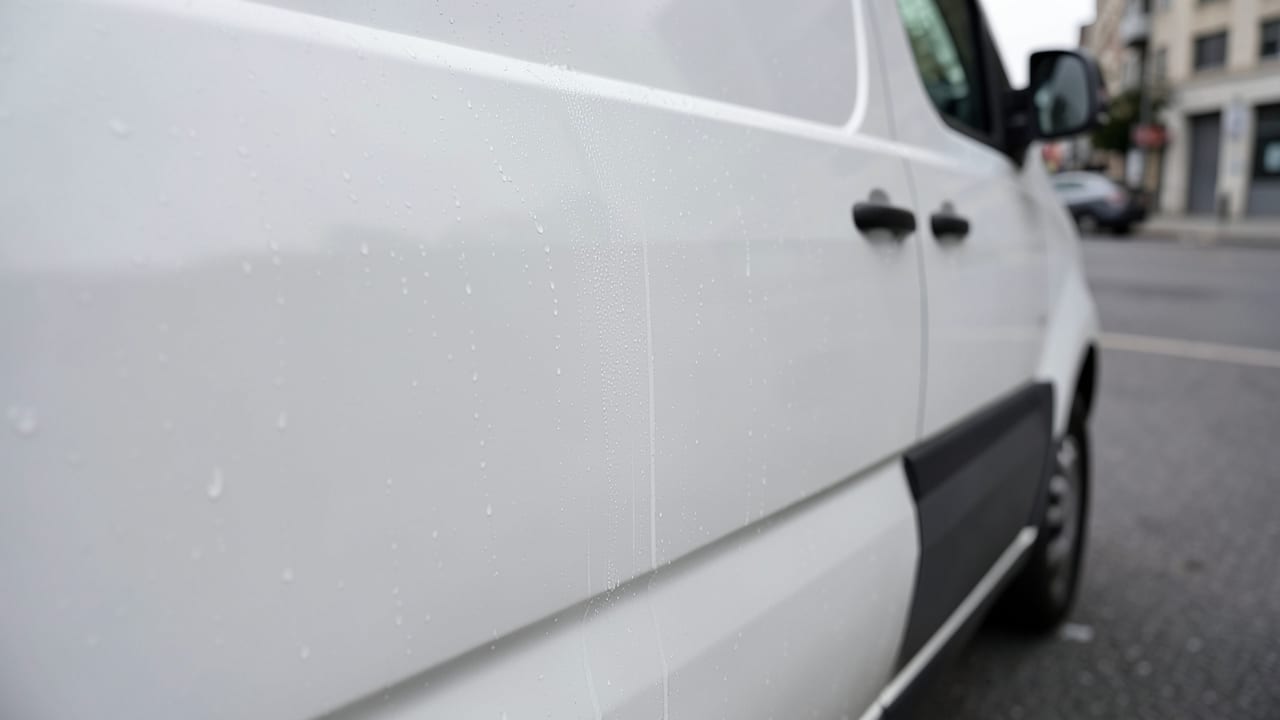
Fleet & Commercial Vehicle Coating in Baton Rouge, LA
Ceramic coating programs for fleets and commercial vehicles in Baton Rouge, LA — faster washing, longer-lasting branded wraps, and protected resale value.
Learn MoreCommon Questions About Ceramic Coating in Baton Rouge
Everything you need to know about ceramic coating services in Baton Rouge
How much does Mid-Summer UV Protection Top-Up typically cost in Baton Rouge, LA?
Does intense UV and dust in Baton Rouge, LA change coating maintenance?
Can ceramic coating be applied over a vinyl wrap or matte paint?
What does proper paint prep before a ceramic coating actually involve?
How should a coated vehicle be washed after the coating is applied?
Will a ceramic coating stop rock chips or scratches?
Need Ceramic Coating in Baton Rouge?
Get a written quote from our Baton Rouge crew.
⏰ We answer your call • Serving all of Baton Rouge and surrounding areas