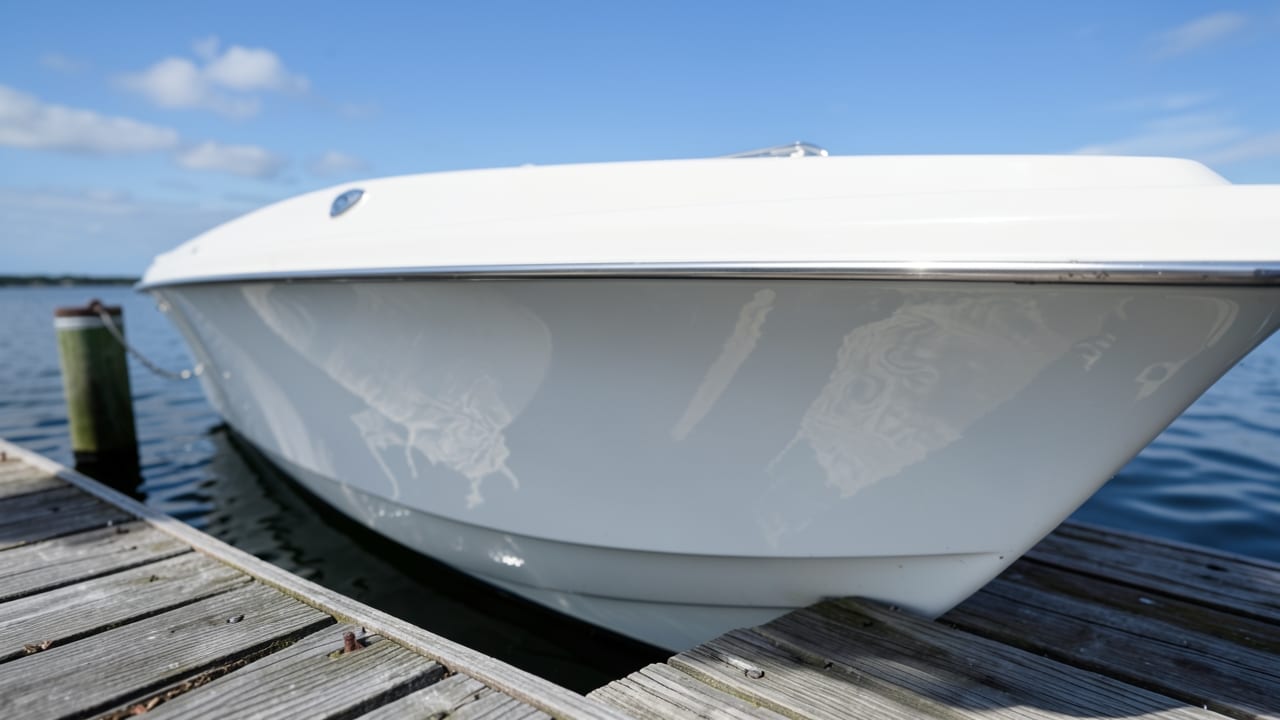
Boat Gelcoat Restoration
Restoring and protecting boat gelcoat with ceramic coatings to renew shine and durability.
Boat gelcoat restoration in Baton Rouge, LA, revives faded, scratched, or oxidized fiberglass surfaces with a ceramic coating that resists UV rays, saltwater, and contaminants common in the region. This process restores shine and protects against environmental wear, extending the life of your vessel’s finish while maintaining its aesthetic appeal.
When your boat needs restoration
Boat gelcoat shows signs of wear long before it looks dull in the driveway. Water that spreads instead of beading off the surface is a key indicator that protective layers have worn away.
We also handle Fleet & Commercial Vehicle Coating and Graphene Coating for Baton Rouge vehicles.
Fine swirl marks, visible only under direct sunlight or raking light, signal accumulated scratches from routine handling or environmental exposure.
Running your fingertips lightly over the gelcoat should feel smooth, like glass. If you detect small bumps or a rough texture, bonded contaminants like brake dust, industrial fallout, or tree sap have likely embedded themselves in the surface.
These contaminants prevent coatings from bonding properly, leading to uneven protection and premature wear.
Signs Your Boat Needs Restoration
- Water beads poorly or spreads unevenly across the gelcoat surface.
- Fingertip test reveals bumps or roughness, not a smooth finish.
- Swirl marks or light scratches are visible under direct sunlight or raking light.
- Gelcoat appears dull or hazy immediately after washing, rather than glossy.
What affects pricing and timing
The extent of surface damage—scratches, oxidation, or fading—directly impacts both cost and time. Minor oxidation may require only decontamination and a single-layer coating, while deep scratches or peeling gelcoat demand additional paint correction or filler work before coating.
The size of the boat also plays a role, as larger surfaces require more product and labor.
Seasonal factors in Baton Rouge, such as humidity and temperature, influence coating application. High humidity or extreme heat can disrupt curing, requiring adjustments to the process or scheduling.
A controlled, dust-free environment is essential for a flawless finish, which may involve renting a climate-controlled space if conditions aren’t ideal at your location.
| Factor | Impact on Pricing/Timing |
|---|---|
| Surface Damage Severity | Minor: 1-2 days, single-layer coating. Severe: 3-5+ days, multi-step correction. |
| Boat Size | Small: Lower material/labor cost. Large: Higher product and prep time. |
| Seasonal Conditions | High humidity/heat: May require rescheduling or extended cure time. |
| Coating Tier | Single-layer (budget): Faster, shorter lifespan. Multi-layer (premium): Longer process, extended protection. |
Preparation is key to long-lasting results
Skipping decontamination steps like iron removal or clay bar treatment leaves contaminants trapped under the coating. These contaminants cause uneven bonding, leading to high spots, streaks, or premature wear. A proper prep ensures the coating adheres smoothly and lasts as long as possible.
Even the best coatings won’t hide deep scratches or rock chips. Ceramic coatings add surface hardness against light swirling and UV damage but don’t replace physical protection. Clarifying these limits upfront avoids disappointment later.
Coating over uncorrected swirl marks locks them permanently into the finish. Always inspect and correct paint before applying a coating to ensure a flawless, long-lasting result.
How boat gelcoat restoration works
- 1Foam Wash and Decontamination
The boat undergoes a foam wash to remove loose dirt, followed by a dedicated wheel-and-tire cleaning to prevent brake dust from transferring to the gelcoat. Chemical treatments like iron remover and tar cleaner strip embedded contaminants before any mechanical polishing begins.
- 2Clay Bar Treatment
A lubricant and clay bar are used to physically remove bonded contaminants—such as overspray or industrial fallout—from every panel. The surface is considered ready when it feels smooth to the touch, ensuring no particles remain to interfere with the coating.
- 3Paint Correction and Inspection
Under raking light, the gelcoat is inspected for swirl marks or scratches. A correction polish is applied to these areas to eliminate imperfections before coating. This step is critical, as coatings cannot hide existing texture—they seal it in permanently.
- 4Panel Wipe-Down and Coating
Every panel is wiped with isopropyl alcohol to remove polish residue, ensuring a clean surface for the coating. The ceramic coating is then applied in a controlled environment, left to cure undisturbed, and protected from water or washing until fully hardened.
Frequently asked questions
Will a ceramic coating stop rock chips or deep scratches?
No. Ceramic coatings add surface hardness to resist light swirling and UV damage but do not provide impact protection. Deep scratches or rock chips require physical repair before coating can restore the finish.
How long does the coating process take?
For minor restoration, the process typically takes 1–2 days, including prep, coating, and cure time. Larger boats or severe damage may require 3–5+ days, depending on the steps needed.
Can I wash my boat right after the coating is applied?
No. The coating must cure fully—usually 3–7 days—before exposure to water or washing. Washing too soon can cause water spots or compromise the bond, reducing durability.
Does the coating protect against saltwater corrosion?
Ceramic coatings provide a protective barrier against saltwater and UV rays, slowing oxidation. However, they do not replace regular maintenance like rinsing after exposure to saltwater or storing the boat properly during off-seasons.
Where Baton Rouge sits, and what the Census lists nearby
Baton Rouge sits in Louisiana, and the closest places listed in the U.S. Census Gazetteer are Westminster (3.4 miles southeast), Merrydale (4.4 miles north), Port Allen (4.4 miles west), Inniswold (4.7 miles southeast). Within 25 miles of Baton Rouge the same source lists 38 distinct incorporated places and census-designated places.
Those figures matter for boat gelcoat restoration because they are straight-line distances between Census coordinate points: road mileage between Baton Rouge and Westminster runs longer than the 3.4 miles shown, which is why quotes for the same job differ between towns that look close together on a map.
Source: U.S. Census Bureau Gazetteer.
See Dorseyville, LA for more, or discover our complete Baton Rouge service list on a single page for our complete lineup.
Ready to get started?
Talk to a local ceramic coating pro in Baton Rouge — get a written quote.
Other Ceramic Coating Services in Baton Rouge
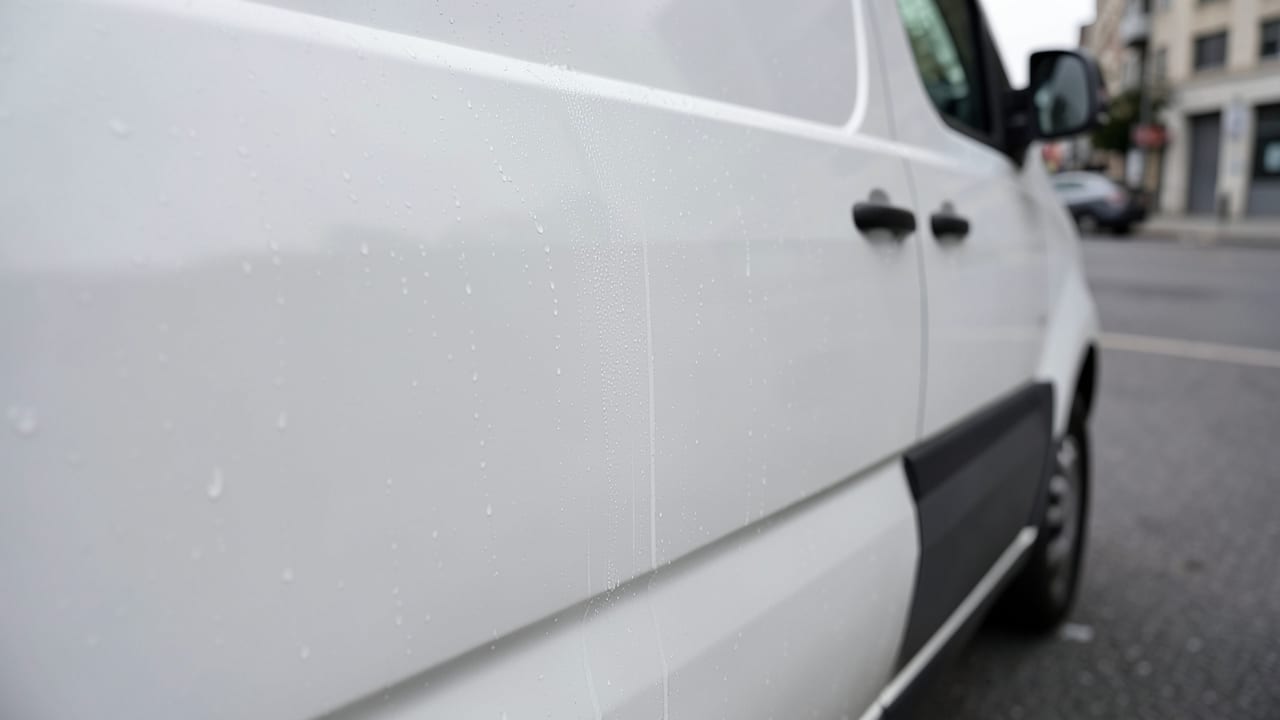
Fleet & Commercial Vehicle Coating in Baton Rouge, LA
Ceramic coating programs for fleets and commercial vehicles in Baton Rouge, LA — faster washing, longer-lasting branded wraps, and protected resale value.
Learn More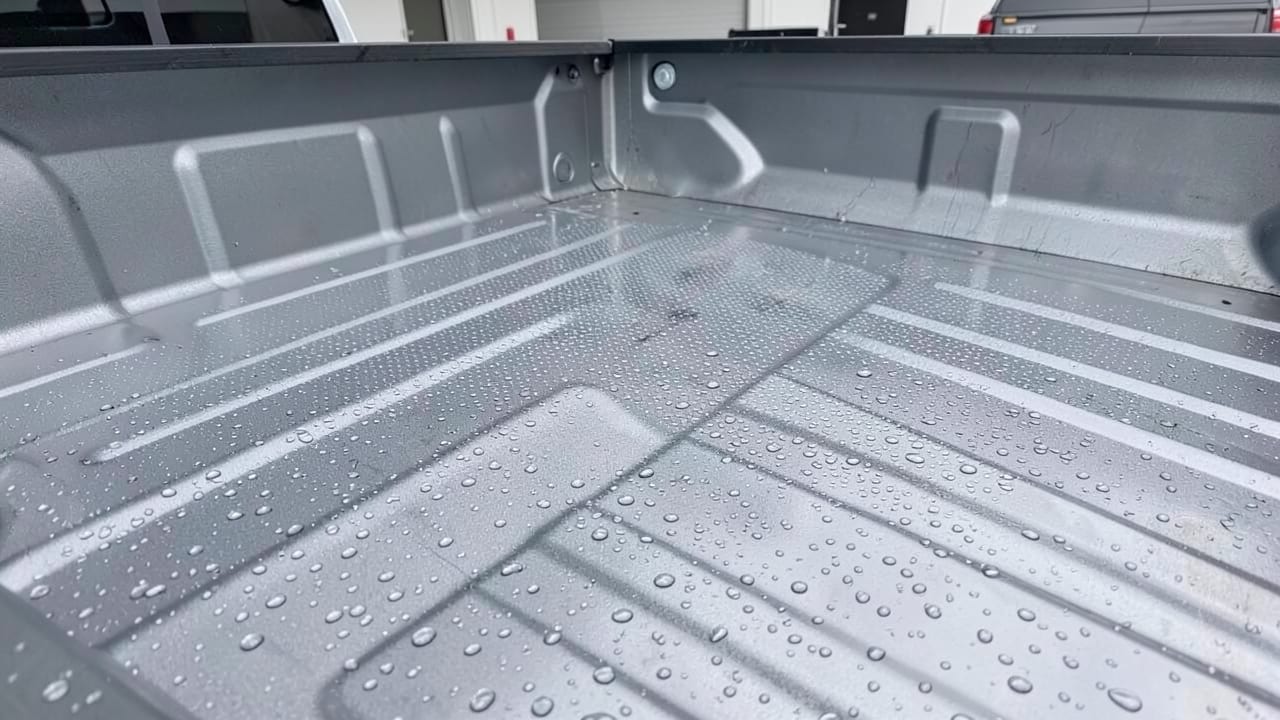
Graphene Coating in Baton Rouge, LA
Graphene coating in Baton Rouge, LA — a premium ceramic alternative with better heat rejection and hydrophobic durability.
Learn More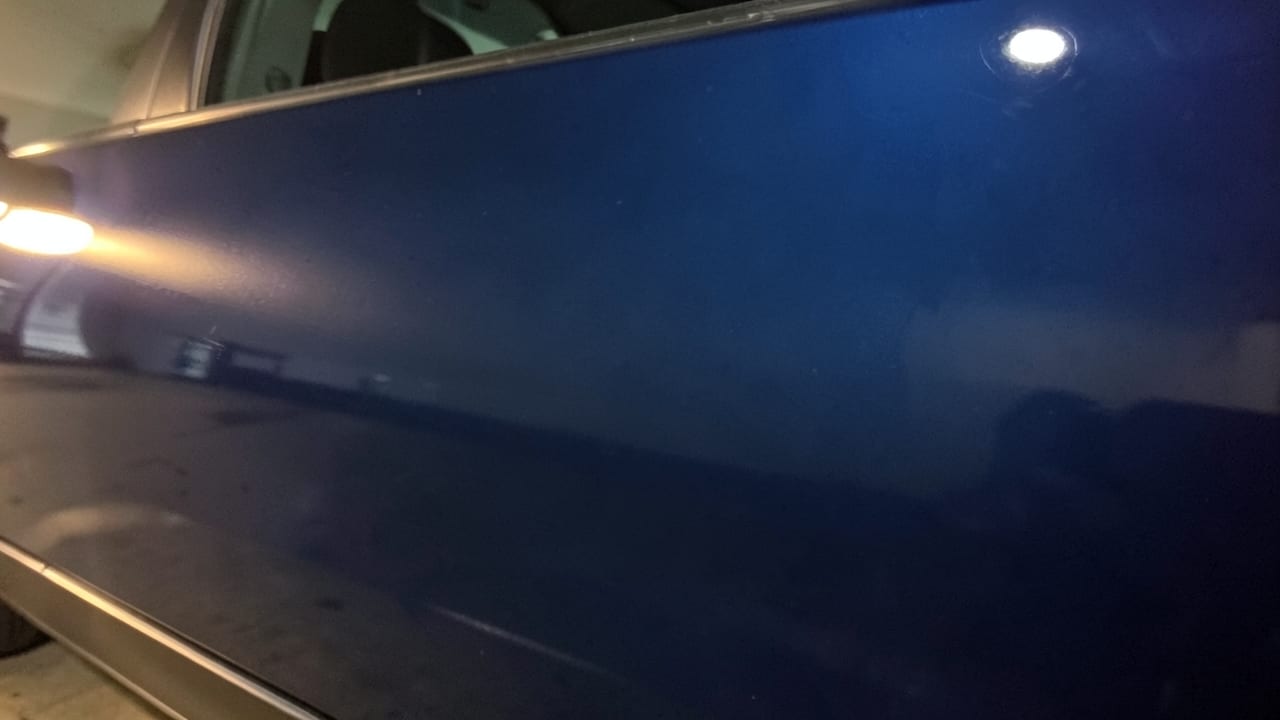
Clay Bar Paint Decontamination in Baton Rouge, LA
Clay bar paint decontamination in Baton Rouge, LA removes bonded surface contaminants a wash alone can't touch, before coating or correction.
Learn More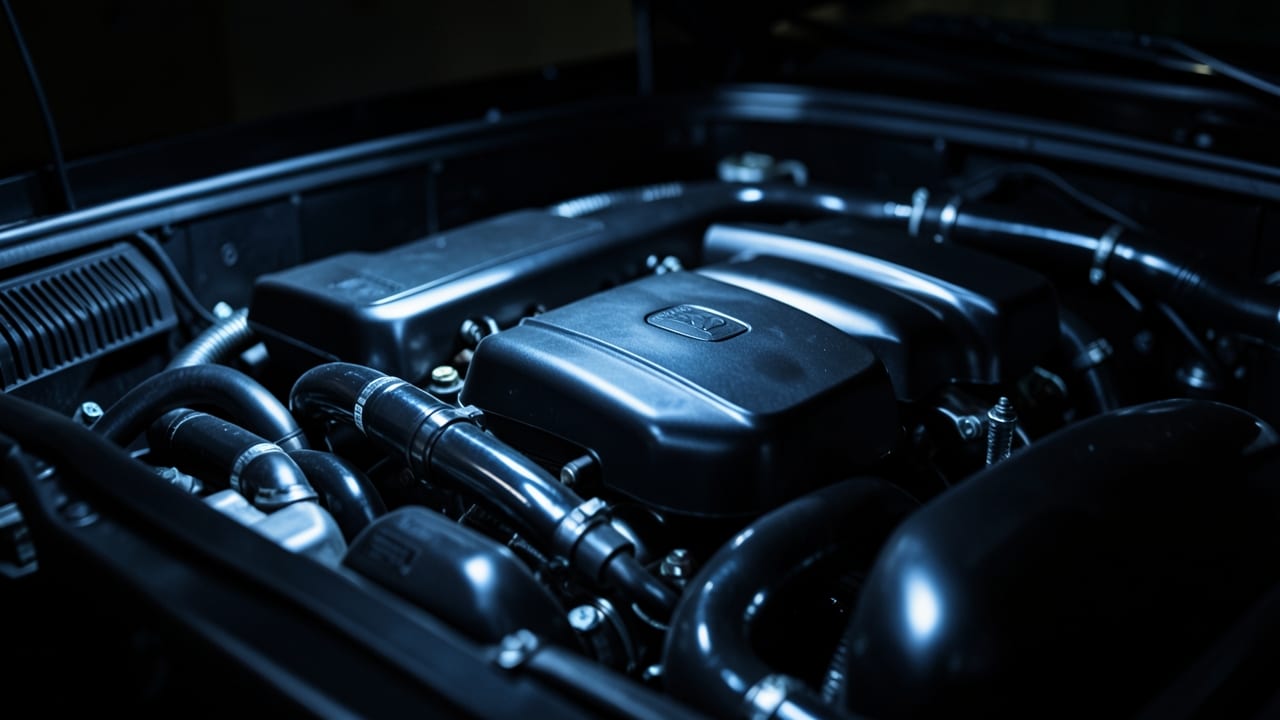
Engine Bay Detailing in Baton Rouge, LA
Engine bay detailing in Baton Rouge, LA — safe degreasing and dressing of the engine compartment without risking electrical components.
Learn More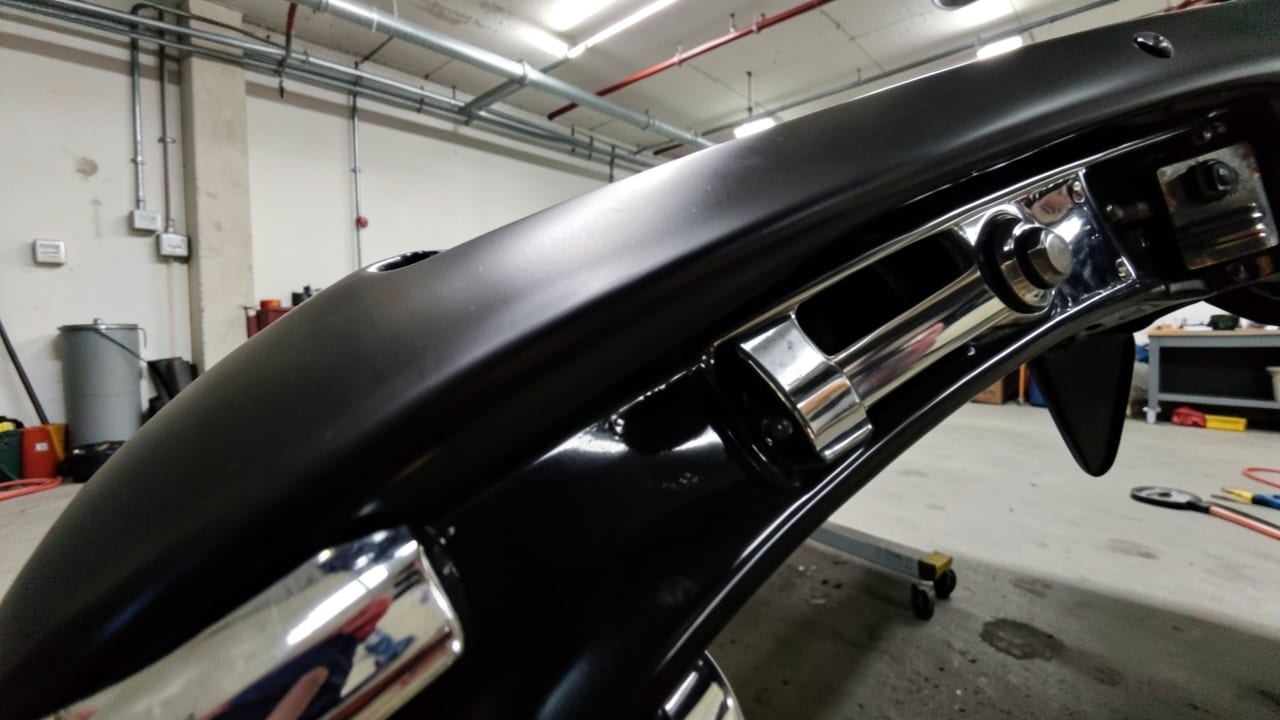
Chrome Delete Pack in Baton Rouge, LA
Ceramic coating application for paint protection and enhanced vehicle appearance.
Learn More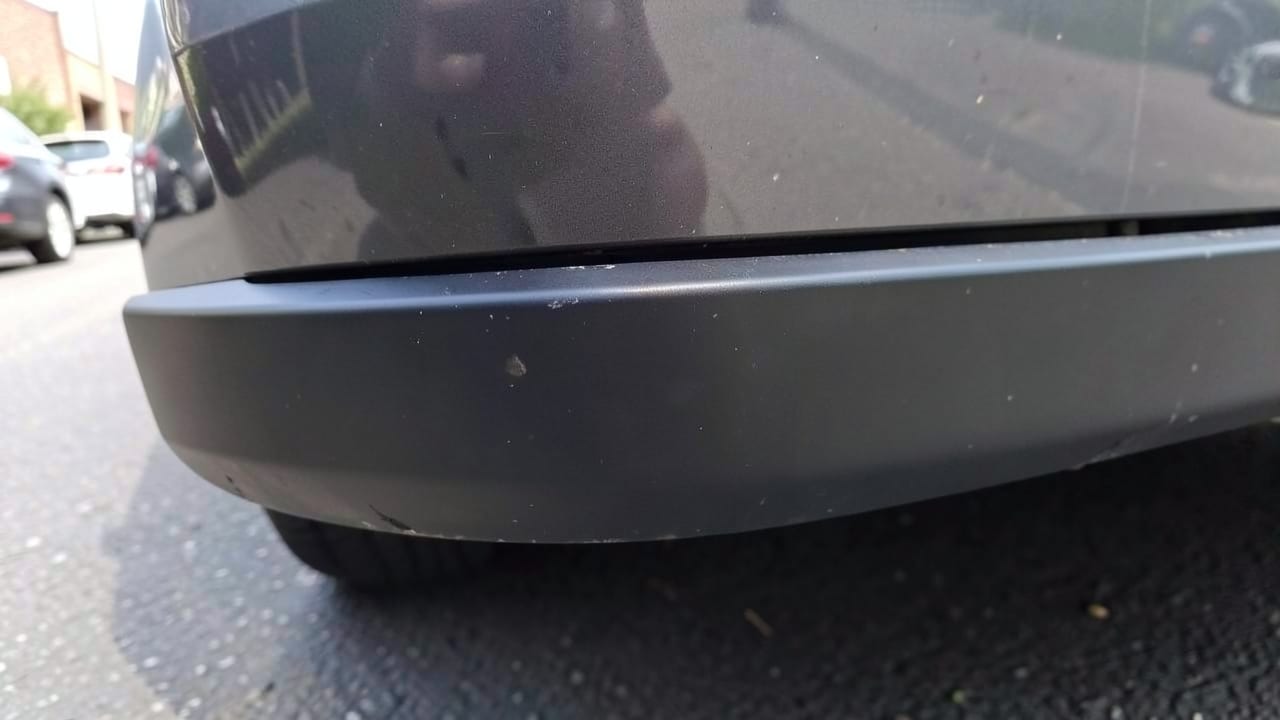
Plastic Trim Restoration in Baton Rouge, LA
Restoring faded or discolored plastic trim with ceramic coatings or protective treatments.
Learn MoreCommon Questions About Ceramic Coating in Baton Rouge
Everything you need to know about ceramic coating services in Baton Rouge
How much does Boat Gelcoat Restoration typically cost in Baton Rouge, LA?
Does intense UV and dust in Baton Rouge, LA change coating maintenance?
What does proper paint prep before a ceramic coating actually involve?
How should a coated vehicle be washed after the coating is applied?
Will a ceramic coating stop rock chips or scratches?
What's the actual difference between wax, paint sealant, and ceramic coating?
Need Ceramic Coating in Baton Rouge?
Get a written quote from our Baton Rouge crew.
⏰ We answer your call • Serving all of Baton Rouge and surrounding areas