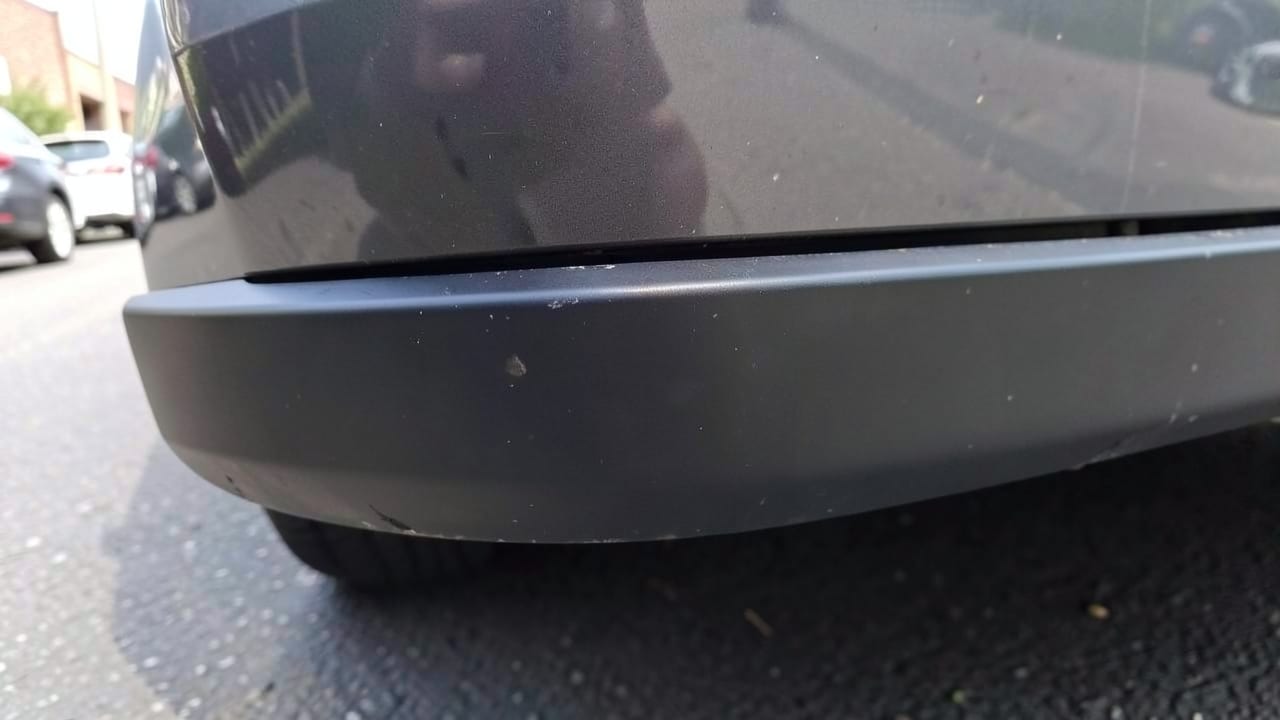
Plastic Trim Restoration
Restoring faded or discolored plastic trim with ceramic coatings or protective treatments.
Plastic trim restoration in Baton Rouge, LA, revitalizes faded or discolored exterior plastic surfaces on vehicles using ceramic coatings or protective treatments. This process not only enhances appearance but also shields trim from UV rays, humidity, and environmental wear common in the region’s climate.
Ideal for restoring clarity and longevity to plastic bumpers, mirror housings, and other trim pieces, this service ensures your vehicle retains a showroom finish for years to come.
We also handle Pre-Winter Paint Sealant Application and Annual Ceramic Maintenance Wash for Baton Rouge vehicles.
When does your vehicle’s plastic trim need restoration?
Plastic trim restoration is needed when your vehicle’s exterior plastic surfaces show signs of wear, such as fading, dullness, or a loss of gloss. In Baton Rouge’s humid and sunny climate, UV exposure and environmental contaminants accelerate this degradation, leaving trim looking worn and unappealing.
Restoration is also recommended if your trim feels rough to the touch or if water no longer beads smoothly, indicating a loss of protective coating.
Another key sign is the presence of fine swirl marks or a hazy appearance after washing. These issues often stem from accumulated contaminants like brake dust, road grime, or industrial fallout.
Restoration not only improves appearance but also restores the protective barrier that keeps trim looking new and resistant to further damage.
Signs Your Plastic Trim Needs Restoration
- Water no longer beads smoothly on plastic surfaces, spreading into a flat sheet instead.
- Plastic trim feels rough or bumpy when touched with clean fingertips.
- Fading, dullness, or a loss of gloss is visible, especially on lighter-colored trim.
- Fine swirl marks or scratches appear under direct sunlight or a flashlight angled at the surface.
- Trim looks hazy or streaked even after a thorough wash with pH-neutral soap.
What affects the cost and timeline of plastic trim restoration?
The cost and time required for plastic trim restoration depend on the extent of wear, the vehicle’s size, and the specific protective treatment chosen. Heavily contaminated or extensively faded trim may require additional prep steps, such as deeper decontamination or multiple clay bar treatments, which can extend the process.
The type of ceramic coating or protective film selected also influences pricing, with higher-tier products offering longer-lasting protection but at a higher cost.
In Baton Rouge, restoration projects typically take between 4 to 8 hours, depending on the vehicle’s condition and the scope of work. Larger vehicles or those with extensive damage may require additional time.
The process is performed in a controlled environment to ensure proper curing and bonding of the protective coating, which is critical for long-term durability.
| Factor | Impact on Cost | Impact on Timeline |
|---|---|---|
| Extent of wear/fading | More severe wear requires deeper cleaning and correction, increasing cost. | Additional prep steps may extend the process by 1-3 hours. |
| Vehicle size/complexity | Larger vehicles or those with intricate trim designs may cost more. | More panels to treat can add 1-2 hours to the timeline. |
| Coating tier selected | Higher-tier coatings (e.g., graphene-based) cost more upfront. | Application time remains similar, but curing requirements may vary slightly. |
| Contaminant levels | Heavy brake dust, tar, or industrial fallout require extra decontamination steps. | Clay bar and chemical treatments can add 30 minutes to 1 hour. |
| Environmental conditions | Humidity or temperature extremes may require adjustments to curing process. | Controlled environment ensures consistent results, no added time. |
How plastic trim restoration works
This process involves thorough cleaning, decontamination, and application of a protective ceramic coating to restore and protect your vehicle’s plastic trim.
- 1Foam Pre-Wash and Wheel Cleaning
The vehicle undergoes a foam pre-wash to loosen dirt and grime, followed by a dedicated wheel-and-tire cleaning pass. Different wash mitts are used for paint and wheels to prevent brake dust and road grime from scratching the plastic surfaces during cleaning.
- 2Chemical Decontamination
Iron remover strips embedded brake-dust particles, and tar/bug remover lifts road tar and insect residue. These chemicals are applied before any mechanical contact to ensure contaminants below the surface are removed, leaving the trim clean and smooth.
- 3Clay Bar Treatment
A clay bar or mitt is worked across every plastic panel with a lubricant to pull out bonded contaminants like overspray or industrial fallout. The surface is physically smoothed to the touch, confirming decontamination is complete.
- 4Coating Application and Cure
The ceramic coating is applied panel by panel in a dust-free space within a controlled humidity and temperature range. The vehicle is left undisturbed during the cure period, which typically lasts 24-48 hours, before exposure to rain or washing.
- 5Final Inspection and Maintenance Guidance
After curing, the trim is inspected for evenness and gloss. The technician provides guidance on post-restoration care, including wash methods, products to avoid, and curing best practices to maximize the coating’s lifespan.
Frequently asked questions
Will plastic trim restoration make my trim look brand new?
Yes, restoration will significantly improve the appearance of your trim, restoring gloss and clarity. However, it won’t reverse deep scratches or physical damage. The process focuses on cleaning, decontamination, and applying a protective coating to enhance shine and durability.
How long will the protective coating last on my vehicle’s plastic trim?
The lifespan of the coating depends on the product tier and your maintenance routine. Higher-tier coatings can last 2-5 years, while standard coatings may last 1-2 years. Regular washing with pH-neutral soap and avoiding automatic car washes with brushes will extend its durability.
Can I wash my vehicle right after the restoration is done?
No, you must wait until the coating has fully cured, which typically takes 24-48 hours. Washing too soon can cause water spots or compromise the coating’s bond. Follow the technician’s guidance on curing and post-restoration care.
Will the coating protect my trim from rock chips or deep scratches?
No, ceramic coatings add hardness against light swirling and UV damage but do not provide impact protection. They won’t prevent rock chips or deep scratches. The coating’s primary benefit is enhancing appearance and adding a protective layer against environmental wear.
Where Baton Rouge sits, and what the Census lists nearby
Baton Rouge sits in Louisiana, and the closest places listed in the U.S. Census Gazetteer are Westminster (3.4 miles southeast), Merrydale (4.4 miles north), Port Allen (4.4 miles west), Inniswold (4.7 miles southeast). Within 25 miles of Baton Rouge the same source lists 38 distinct incorporated places and census-designated places.
Those figures matter for plastic trim restoration because they are straight-line distances between Census coordinate points: road mileage between Baton Rouge and Westminster runs longer than the 3.4 miles shown, which is why quotes for the same job differ between towns that look close together on a map.
Source: U.S. Census Bureau Gazetteer.
See St. George, LA for more, or see our full crew's Baton Rouge services before booking for our complete lineup.
Ready to get started?
Talk to a local ceramic coating pro in Baton Rouge — get a written quote.
Other Ceramic Coating Services in Baton Rouge
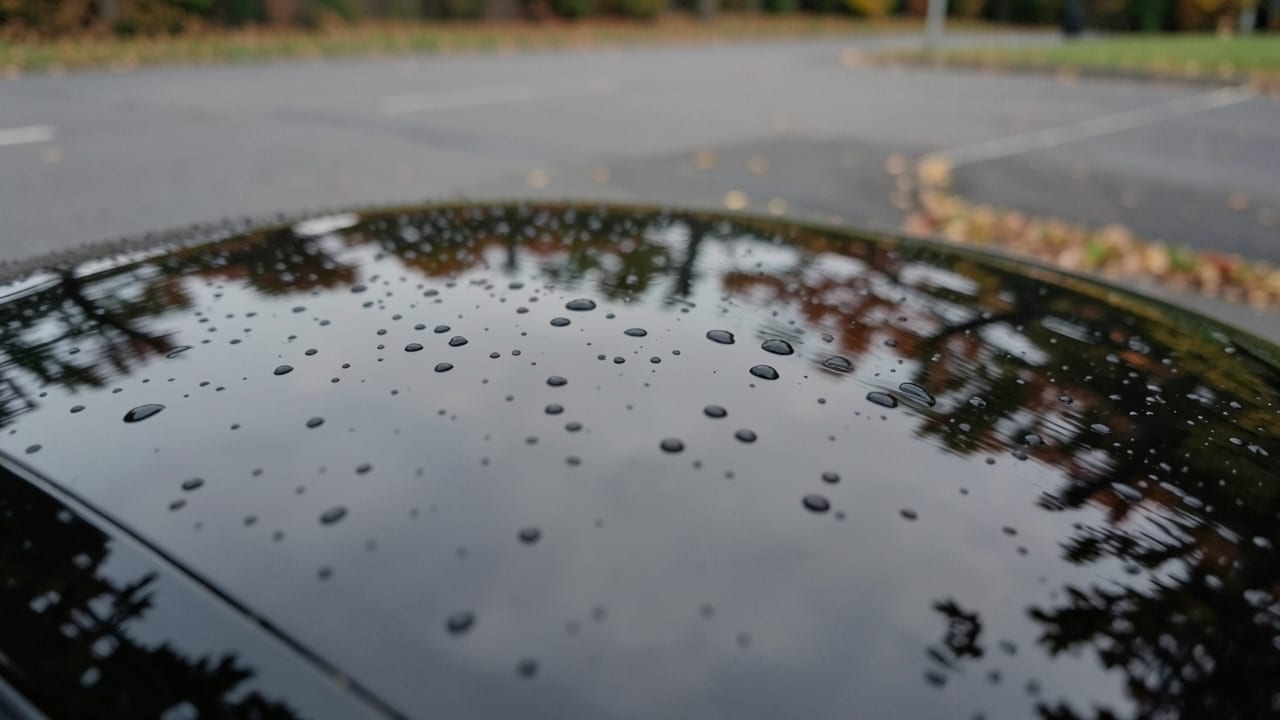
Pre-Winter Paint Sealant Application in Baton Rouge, LA
Professional application of ceramic-based sealant to protect vehicle paint before winter.
Learn More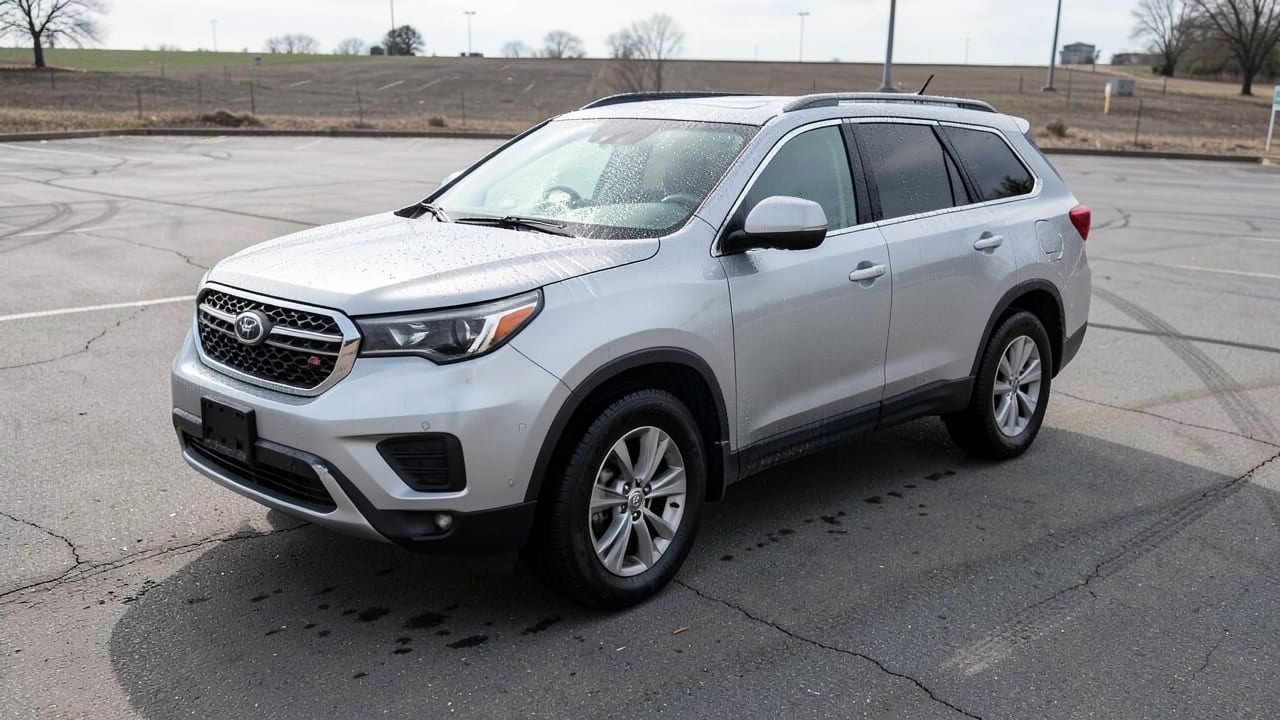
Annual Ceramic Maintenance Wash in Baton Rouge, LA
Professional cleaning and reapplication of ceramic coatings to preserve paint protection.
Learn More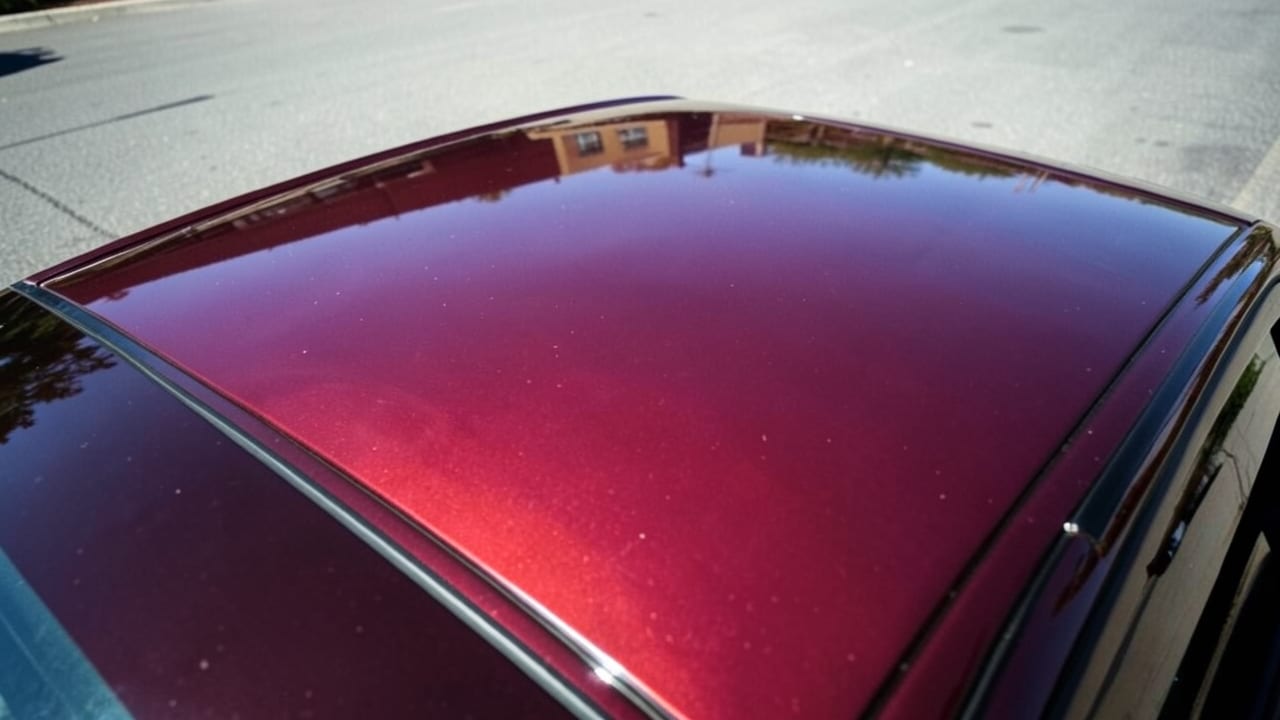
Mid-Summer UV Protection Top-Up in Baton Rouge, LA
Ceramic coating reapplication to restore UV protection and gloss on vehicle paint.
Learn More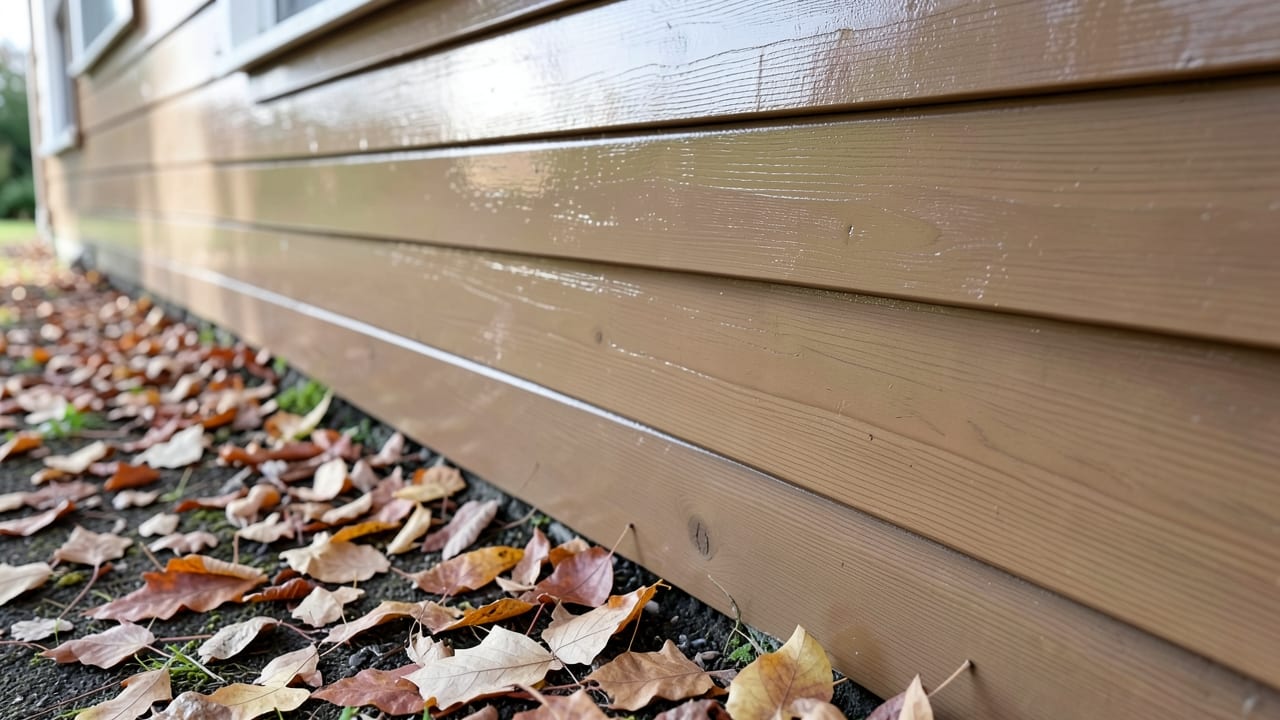
Fall Paint Prep for Winter in Baton Rouge, LA
Ceramic coating and paint protection applied to homes before winter to prevent damage.
Learn More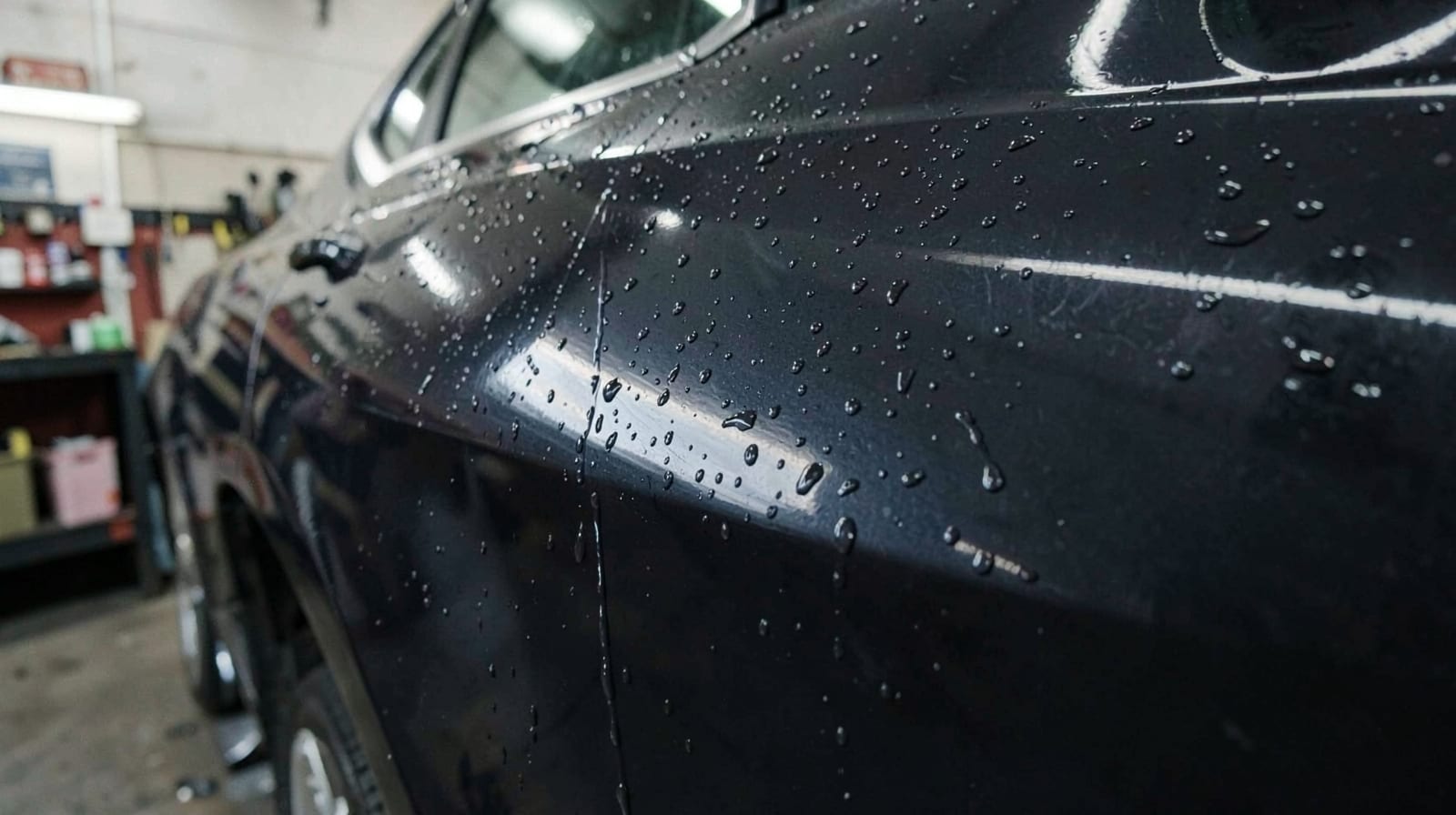
Full-Vehicle Ceramic Coating in Baton Rouge, LA
Professional nano-ceramic coating for vehicles in Baton Rouge, LA — a hard, semi-permanent SiO2 layer for deep gloss, strong hydrophobic protection, and easier washing.
Learn More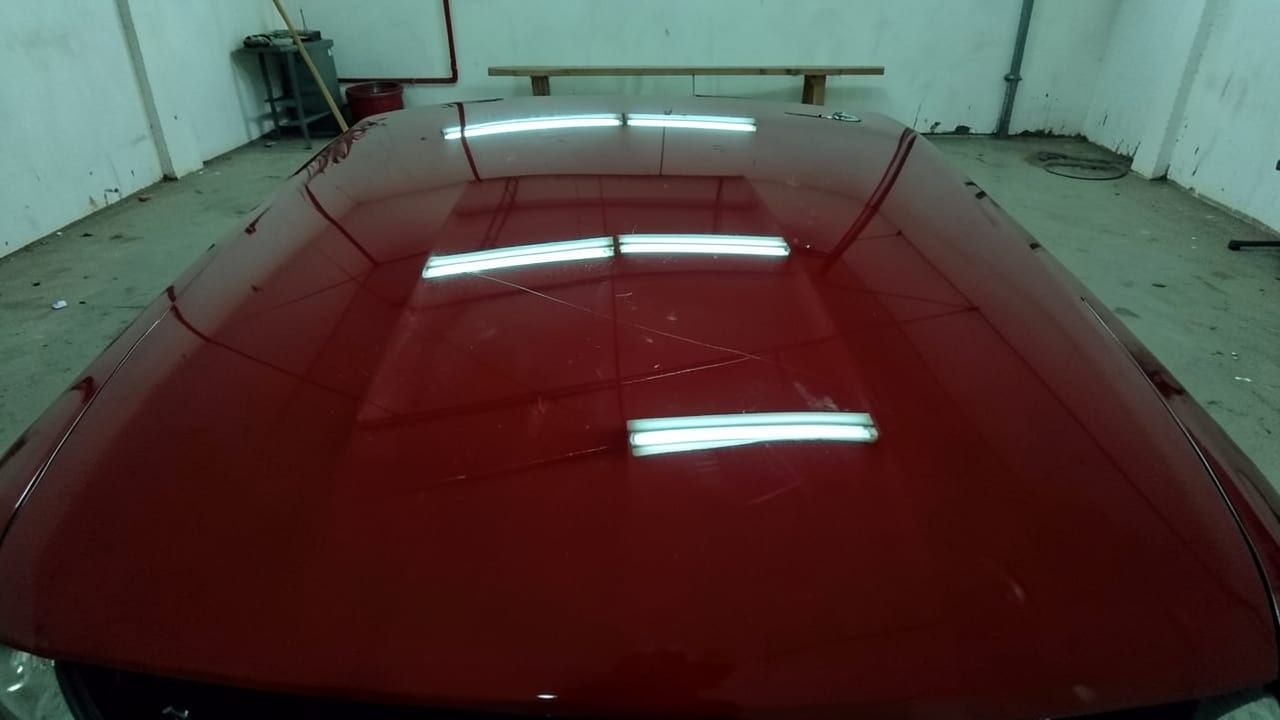
Paint Correction & Polishing in Baton Rouge, LA
Machine paint correction and polishing in Baton Rouge, LA — removes swirl marks, oxidation, and water spots, and is the mandatory first step before any ceramic coating.
Learn MoreCommon Questions About Ceramic Coating in Baton Rouge
Everything you need to know about ceramic coating services in Baton Rouge
How much does Plastic Trim Restoration typically cost in Baton Rouge, LA?
Does intense UV and dust in Baton Rouge, LA change coating maintenance?
Can ceramic coating be applied at home instead of by a detailing shop?
How long does a ceramic coating actually last in real-world use?
What is the difference between graphene and SiO2 ceramic coatings?
Does a ceramic coating need to be topped up over time?
Need Ceramic Coating in Baton Rouge?
Get a written quote from our Baton Rouge crew.
⏰ We answer your call • Serving all of Baton Rouge and surrounding areas