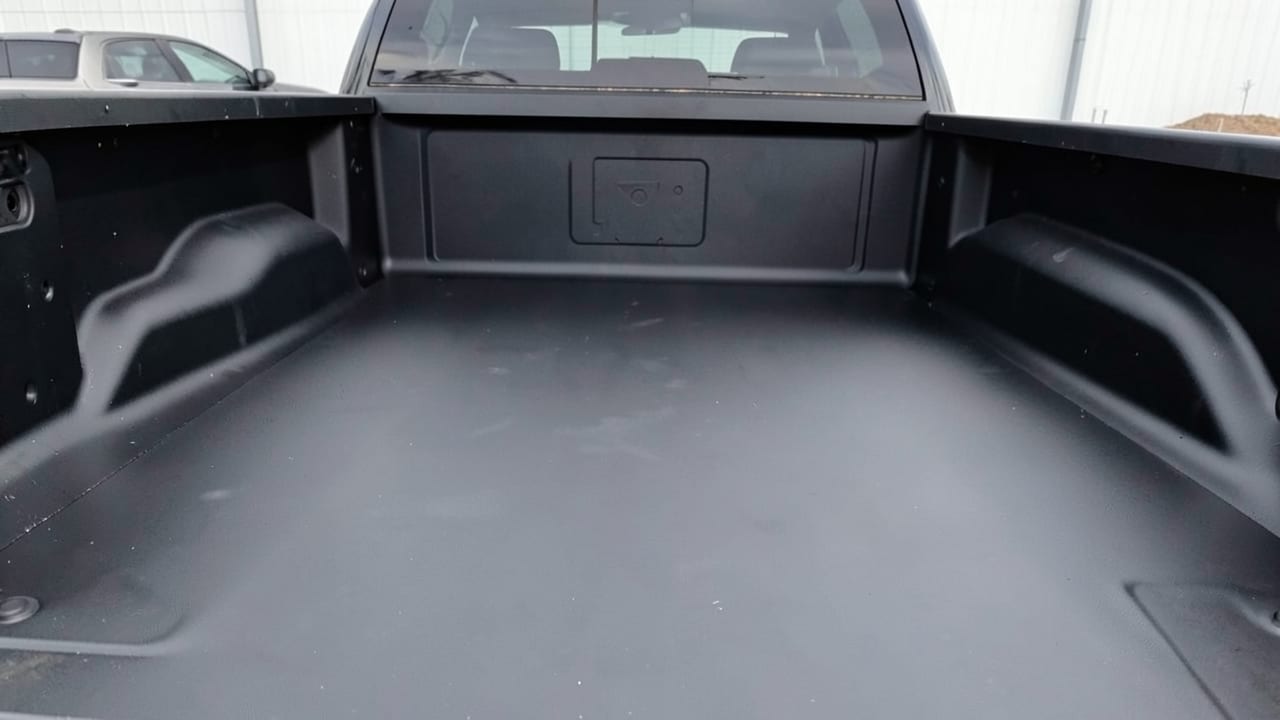
Overspray Removal
Removing overspray from vehicles and surfaces to restore original appearance.
In Baton Rouge, LA, overspray removal is essential for restoring your vehicle’s paint to a flawless finish after nearby construction or industrial activity. Unlike regular washing, this process targets embedded contaminants—like paint particles, tar, or brake dust—that refuse to rinse away.
Without proper removal, these contaminants can etch the clear coat over time, dulling your vehicle’s appearance and reducing its resale value. Local experts use targeted chemistry and mechanical techniques to lift and eliminate these stubborn marks safely, ensuring your paint stays protected long-term.
We also handle Headlight Restoration & Coating and Fleet & Commercial Vehicle Coating for Baton Rouge vehicles.
When overspray becomes a problem
Overspray and embedded contaminants often disguise themselves as dirt or grime, but they behave differently under a wash mitt. Tiny specks that remain after soap and water—especially on light-colored paint—are usually industrial fallout or rail dust, not surface dirt.
These particles bond to the clear coat, creating a rough texture that feels gritty to the touch, even after washing. In Baton Rouge, where humidity and heat accelerate bonding, what starts as a faint mark can become a permanent etch if left untreated for more than a few days.
Contaminants like tree sap, tar, or brake dust (orange/rust-colored specks behind wheels) leave telltale signs: a shadow after wiping, recurring spots in the same location, or a bumpy texture. These are red flags that a standard wash won’t fix.
The longer they sit, the harder they become to remove without damaging the paint. Local pros identify these contaminants first, as each requires a specific chemical treatment—using the wrong one can smear the problem instead of solving it.
Signs Your Vehicle Needs Overspray Removal
- Specks or streaks that survive soap-and-water washing, especially on light/white paint
- A gritty or bumpy texture when running your hand over the paint (not smooth like normal clear coat)
- Faint shadows or recurring marks in the same spot after wiping (common with tree sap or tar)
- Orange/rust-colored dust concentrated behind the front wheels (brake dust embedded in clear coat)
- Dull or uneven shine in patches, even after a thorough wash
How contaminants affect your paint’s lifespan
Embedded contaminants don’t just ruin appearance—they weaken your paint’s protection. Brake dust, for example, contains iron particles that oxidize over time, etching the clear coat and creating micro-scratches. Tar and sap, if not removed promptly, can bond chemically, requiring abrasive methods that risk swirling the paint.
In Baton Rouge’s climate, where heat and humidity speed up chemical reactions, contaminants that seem harmless today can lead to irreversible damage in weeks.
The key to long-term protection is addressing contaminants *before* they bond. A spot treated within 48 hours of landing is far easier to remove than one that’s sat for a week. Regular maintenance—like parking away from trees or industrial areas and rinsing weekly—reduces how often overspray becomes a problem.
Even after removal, the paint’s protective layer is temporarily stripped, making it vulnerable until a sealant is reapplied.
What to expect during the process
Overspray removal isn’t a one-size-fits-all job. Each contaminant—tar, sap, brake dust, or paint overspray—requires a tailored approach. The process starts with identifying the exact type of contaminant, as using the wrong chemical can do more harm than good.
For instance, iron particles from brake dust need an acid-based remover, while tar requires a solvent that dissolves adhesives. Skipping this step often leads to smearing the problem across a larger area.
After treatment, mechanical tools like clay bars or mitts may be used to lift remaining particles, always with a lubricant to prevent swirling. The final step is a protective sealant to restore the clear coat’s barrier, ensuring your paint stays shielded from future contaminants.
In Baton Rouge, where humidity can reattract particles quickly, this follow-up is critical to prevent recurrence.
| Contaminant Type | Chemical Treatment Required | Mechanical Step Needed | Post-Treatment Protection |
|---|---|---|---|
| Paint overspray | Solvent-based paint stripper (pH-neutral) | Clay bar with lubricant | Spray sealant (1–2 coats) |
| Tree sap/tar | Adhesive solvent (citrus-based or hydrocarbon) | Clay mitt for residue | Graphene sealant (longer-lasting) |
| Brake dust (iron particles) | Iron remover (acid-based) | No mechanical step (chemical lifts fully) | SiO2 topper (hardens surface) |
| Bird droppings | Enzymatic cleaner (pH-balanced) | Microfiber wipe only | Quick-detailer spray |
How overspray removal works
- 1Contaminant Identification
The technician examines the paint under direct light to identify the type of overspray or embedded particles. Tar, brake dust, and paint overspray each require different chemistry—using the wrong product can smear the issue instead of removing it.
- 2Targeted Chemical Treatment
A specialized cleaner formulated for the specific contaminant is applied and left to dwell (typically 5–15 minutes) to break down the bond. For example, iron particles from brake dust need an acid-based remover, while sap requires a solvent that dissolves adhesives.
- 3Mechanical Lifting (If Needed)
After the chemical treatment, a clay bar or mitt is gently worked over the area with a lubricant to lift any remaining particles. This step prevents scratching by ensuring the clay doesn’t drag undissolved grit across the paint.
- 4Rinse and Inspection
The vehicle is rinsed thoroughly, and the area is inspected under direct light to confirm the contaminant is fully removed. Some residues, like tar, may leave a faint shadow indoors but reappear outdoors—this means the treatment needs adjustment.
- 5Protective Follow-Up
A spray sealant or coating topper is applied to restore the clear coat’s protective layer, which was temporarily stripped during the removal process. This step prevents future contaminants from bonding as easily.
Frequently asked questions
My car has tiny specks that won’t wash off—could it be overspray, or is it just dirt?
If the specks remain after soap and water (especially on light paint) and feel gritty to the touch, they’re likely embedded contaminants like rail dust or industrial fallout, not surface dirt. These require targeted chemistry to remove without damaging the clear coat.
I parked under a tree, and now there’s a sticky residue—how soon should I treat it?
Tree sap or tar bonds quickly in Baton Rouge’s heat and humidity. Treat it within 48 hours to avoid permanent etching. A dedicated adhesive solvent can dissolve it before it hardens, but waiting longer may require abrasive methods that risk swirling the paint.
Will overspray removal leave my paint more vulnerable to future damage?
The removal process temporarily strips some of the clear coat’s protective layer, but a spray sealant or coating topper is applied afterward to restore that barrier. Skipping this step is what leaves paint exposed—proper treatment actually *reduces* long-term risk by preventing contaminants from bonding in the first place.
Can I use an all-purpose cleaner on brake dust or paint overspray?
No—brake dust contains iron particles that need an acid-based remover to dissolve, while paint overspray requires a solvent-based stripper. All-purpose cleaners smear these contaminants, spreading them across a larger area and making them harder to remove later.
Where Baton Rouge sits, and what the Census lists nearby
Baton Rouge sits in Louisiana, and the closest places listed in the U.S. Census Gazetteer are Westminster (3.4 miles southeast), Merrydale (4.4 miles north), Port Allen (4.4 miles west), Inniswold (4.7 miles southeast). Within 25 miles of Baton Rouge the same source lists 38 distinct incorporated places and census-designated places.
Those figures matter for overspray removal because they are straight-line distances between Census coordinate points: road mileage between Baton Rouge and Westminster runs longer than the 3.4 miles shown, which is why quotes for the same job differ between towns that look close together on a map.
Source: U.S. Census Bureau Gazetteer.
See St. George, LA for more, or see our complete Baton Rouge service list by category for our complete lineup.
Ready to get started?
Talk to a local ceramic coating pro in Baton Rouge — get a written quote.
Other Ceramic Coating Services in Baton Rouge
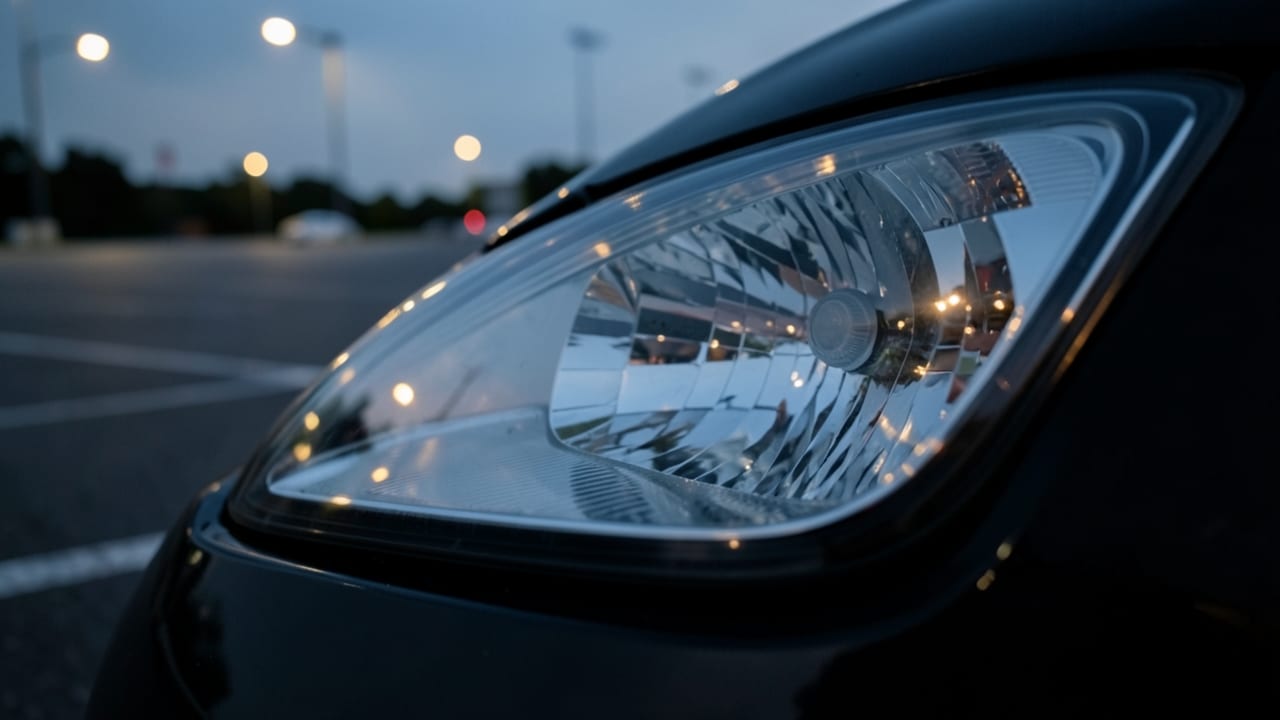
Headlight Restoration & Coating in Baton Rouge, LA
Headlight restoration and UV-protective coating in Baton Rouge, LA — restores clarity and nighttime visibility without replacing the assembly.
Learn More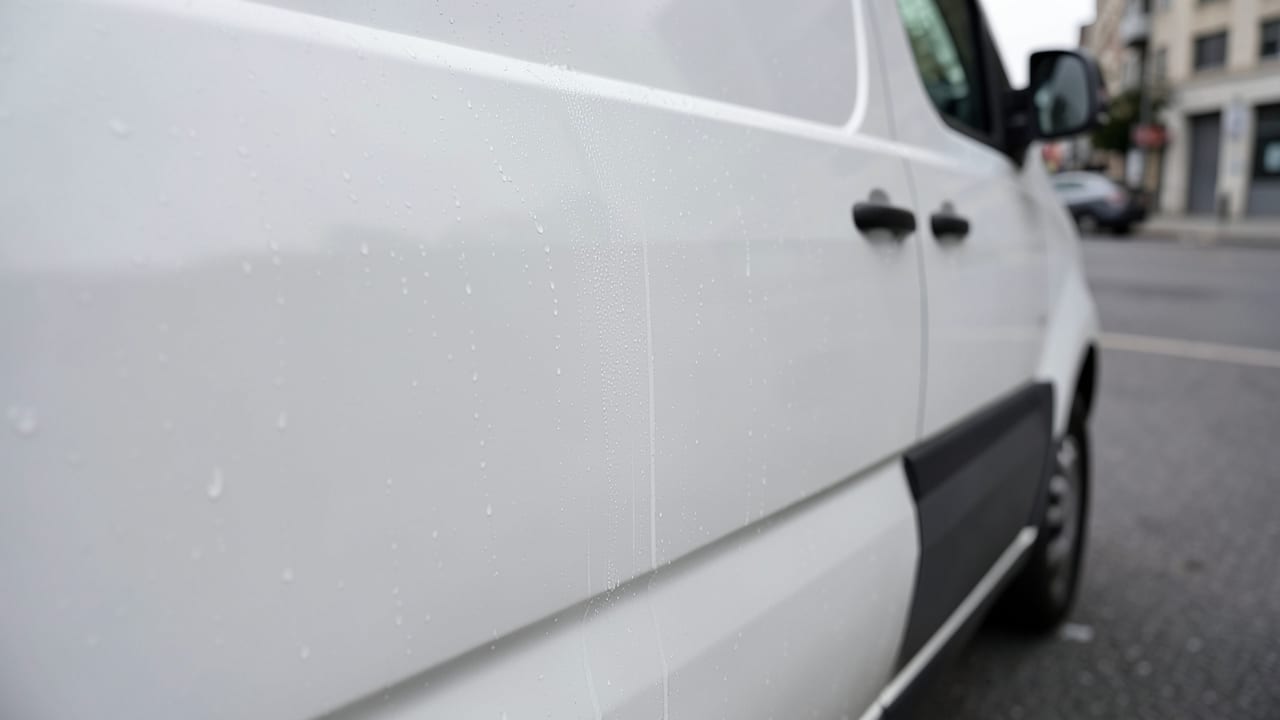
Fleet & Commercial Vehicle Coating in Baton Rouge, LA
Ceramic coating programs for fleets and commercial vehicles in Baton Rouge, LA — faster washing, longer-lasting branded wraps, and protected resale value.
Learn More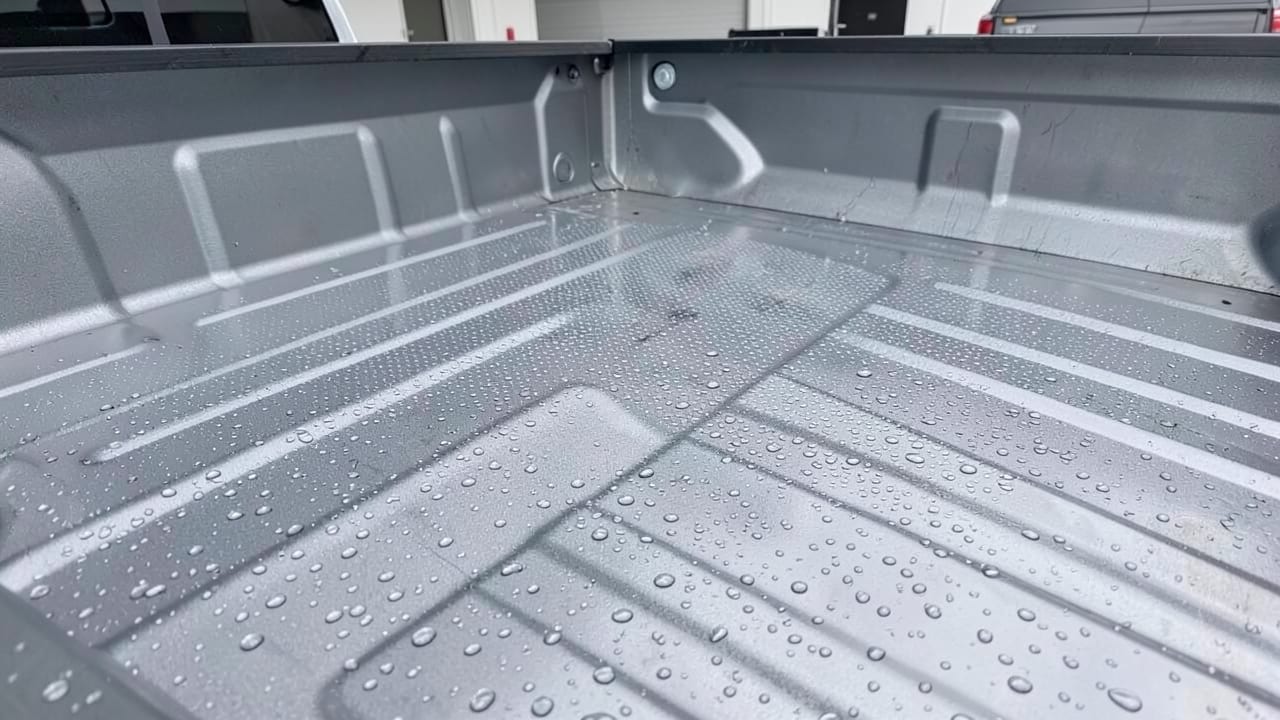
Graphene Coating in Baton Rouge, LA
Graphene coating in Baton Rouge, LA — a premium ceramic alternative with better heat rejection and hydrophobic durability.
Learn More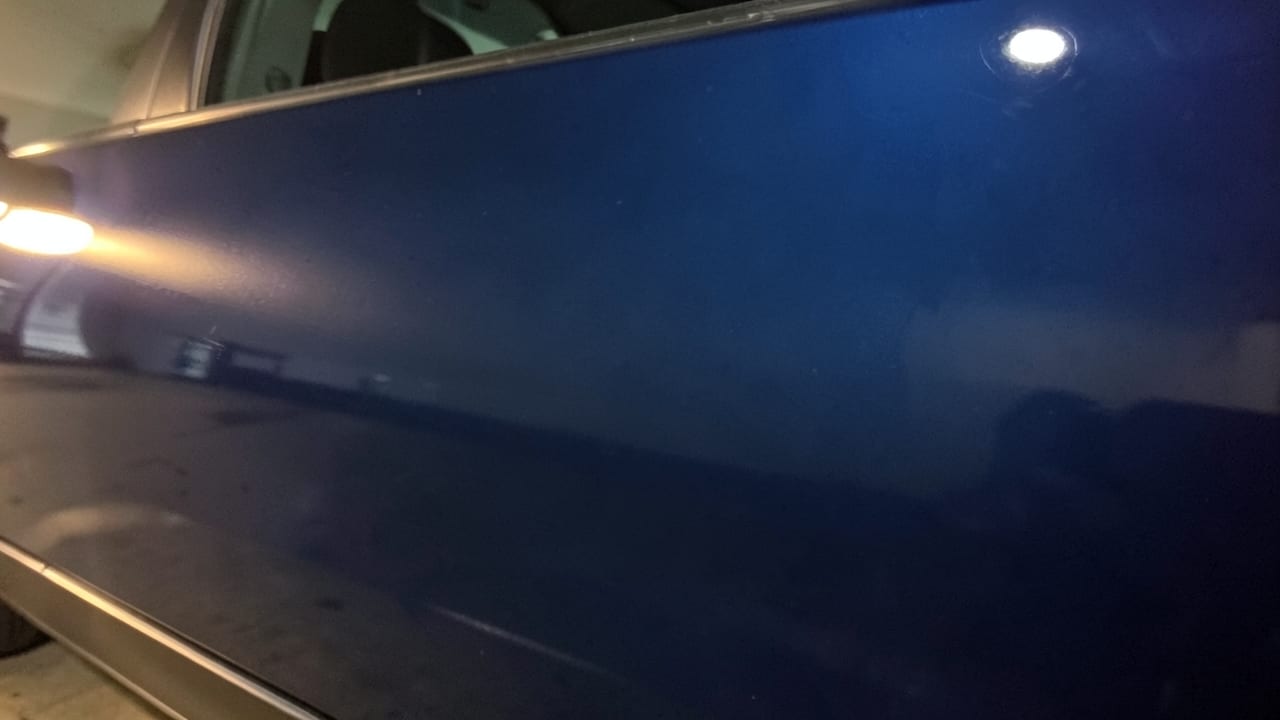
Clay Bar Paint Decontamination in Baton Rouge, LA
Clay bar paint decontamination in Baton Rouge, LA removes bonded surface contaminants a wash alone can't touch, before coating or correction.
Learn More
Engine Bay Detailing in Baton Rouge, LA
Engine bay detailing in Baton Rouge, LA — safe degreasing and dressing of the engine compartment without risking electrical components.
Learn More
Chrome Delete Pack in Baton Rouge, LA
Ceramic coating application for paint protection and enhanced vehicle appearance.
Learn MoreCommon Questions About Ceramic Coating in Baton Rouge
Everything you need to know about ceramic coating services in Baton Rouge
How much does Overspray Removal typically cost in Baton Rouge, LA?
Does intense UV and dust in Baton Rouge, LA change coating maintenance?
Can a ceramic coating be applied over existing swirl marks or light scratches?
Is ceramic coating ever covered by comprehensive auto insurance?
Can ceramic coating be applied over a vinyl wrap or matte paint?
What does proper paint prep before a ceramic coating actually involve?
Need Ceramic Coating in Baton Rouge?
Get a written quote from our Baton Rouge crew.
⏰ We answer your call • Serving all of Baton Rouge and surrounding areas